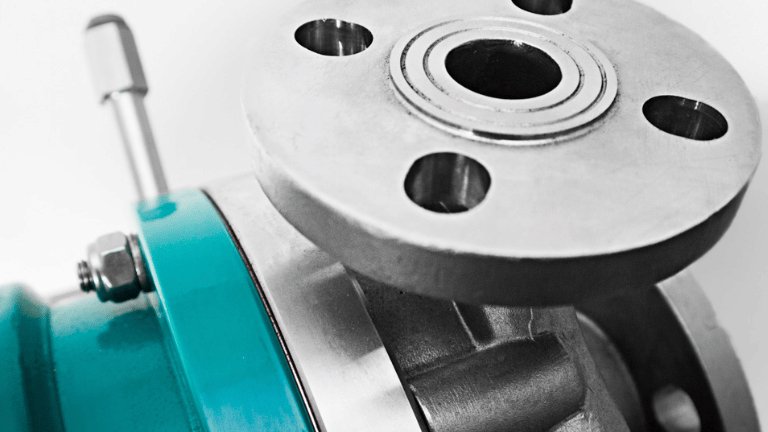
Magnetic Drive Pumps: A Complete Guide
Magnetic drive pumps provide safe and reliable transfer of hazardous, corrosive and toxic fluids across industry.

Selecting the right solvent pump is essential for safe, reliable and efficient chemical processing. Solvents are widely used across manufacturing industries for cleaning, extraction, dilution and production processes, but their chemical properties can make them challenging to handle. Many solvents are volatile, flammable, corrosive or have low viscosity, meaning the pump must be carefully selected to provide reliable operation while preventing leaks, contamination and premature wear.
This guide explains the key considerations when choosing solvent pumps for chemical manufacturing applications, including pump type, materials of construction, sealing arrangements and operating conditions.
Solvent pumps are specially selected pumps designed to safely transfer chemical solvents, offering reliable performance with materials, seals and configurations compatible with aggressive and volatile liquids. The correct solvent pump helps maintain process efficiency while reducing the risk of leakage, corrosion, cavitation and equipment failure.
Choosing the correct pump depends on both the characteristics of the solvent and the requirements of the application.
The pump materials must be compatible with the solvent being transferred. Incorrect material selection can result in corrosion, swelling of components, seal failure or contamination of the process.
Cast iron and stainless steel are common materials of construction however, thanks to advancements in materials we have a highly expanded range of options available. New alloys such as Hastelloy B, Hastelloy C, Zirconium Oxide, and Titanium allow these pumps to handle corrosive liquids such as sulphuric acid, sodium hypochlorite, ferric chloride, and sodium hydroxide.
When it comes to less aggressive solvents, bronze can offer excellent corrosion resistance, especially in applications involving water, brine, and non-corrosive liquids. Stainless steel, particularly grades like 316SS, provides exceptional corrosion resistance and durability, making it ideal for handling more corrosive solvents and high-temperature fluids.
In applications involving particularly challenging solvents, specialised non-metallic materials like PTFE can be used for wet-end parts.
Many solvents are volatile and can evaporate easily. When pumping liquids with high vapour pressure, the risk of cavitation increases.
A suitable solvent pump should be selected with consideration for:
Pumps with low NPSH requirements can provide improved reliability when handling challenging solvent applications.
Because many solvents are hazardous or flammable, preventing leakage is a key design consideration.
Pump options may include:
Seal-less magnetic drive pumps are often used for solvent applications where minimising leakage risk is important.
Different pump designs may be suitable depending on the flow requirements, pressure requirements and solvent characteristics.
Centrifugal pumps excel when handling high flow rates. They are energy-efficient, and their chemical resistance and versatility allow for the transfer of a variety of fluids. Some common applications include:
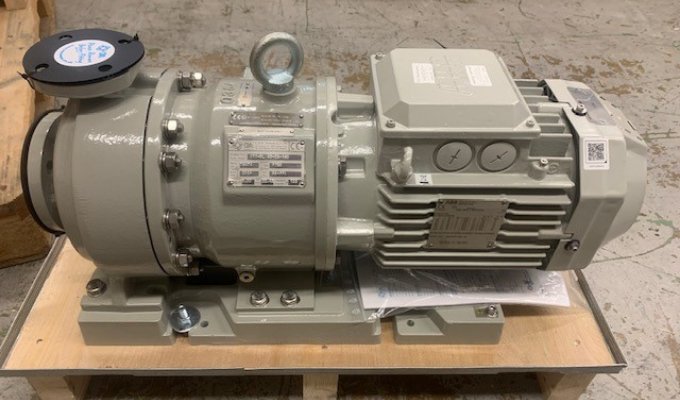
Magnetic drive pumps are often the preferred choice of centrifugal pump for these processes. Unlike pumps that use mechanical seals, magnetic drive pumps use a magnetic coupling to transfer power from the motor to the impeller. This design eliminates the need for seals, which are often the weak point in traditional pump designs. By removing the risk of seal failure, magnetic drive pumps provide a safe, reliable solution for handling a wide range of aggressive and hazardous liquids.
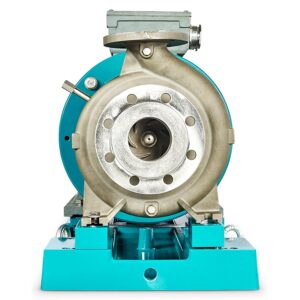
Magnetic drive pumps are particularly well-suited to handle:
To learn more, read how upgrading a solvent handling pump to a magnetic drive pump at a leading paint manufacturer led to safer and more reliable operations.
One of the key advantages of diaphragm pumps is their ability to handle high-viscosity and/or shear-sensitive fluids effectively, making them a popular choice for challenging solvent transfer applications.
Air-operated double diaphragm pumps (AODDs) are widely used due to their versatility and chemical resistance. However, when handling flammable or volatile solvents, diaphragm failure can present a potential risk. If a diaphragm ruptures, fluid and vapour may be released through the pump exhaust, creating a flammable mist.
This risk can be mitigated by using electrically operated diaphragm pumps. The QUANTM electric diaphragm pump is designed to keep fluids and vapours contained within the pump system. Its integrated leak detection technology stops the pump immediately if a leak is detected.
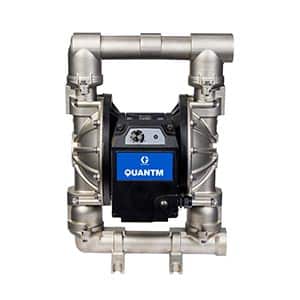
Key advantages of electric diaphragm pumps include:
Side-channel pumps provide a versatile solution for applications where conventional centrifugal pumps may not deliver sufficient pressure, but a diaphragm pump may not be the most suitable option.
Available with a range of sealing options, including mechanical seals and magnetic drive designs, side-channel pumps are particularly effective in high-head, low-flow applications. Their design enables them to generate significantly higher pressures than many similarly sized pump types, and their modular design allows them to be easily adapted to varying process requirements. Pumps can be configured with multiple stages to achieve the desired performance characteristics.

The best solvent pump depends on the complete process requirement, not just the liquid being pumped.
Important factors include:
Working with an experienced pump supplier helps ensure the selected pump delivers reliable performance throughout its operating life.
When it comes to solvent manufacturing, the type of solvent pump your choice influences the efficiency and safety of your application. It is important to have a comprehensive understanding of how the size of the pump, the choice of sealing option, the materials of construction and their chemical compatibility, all contribute to the overall effectiveness of your pump selection.
If you want to ensure long-term reliability and safety, contact the CDR Pumps team on 01933 674777 or at sales@cdrpumps.co.uk to find the right solvent pump for your application.

Magnetic drive pumps provide safe and reliable transfer of hazardous, corrosive and toxic fluids across industry.
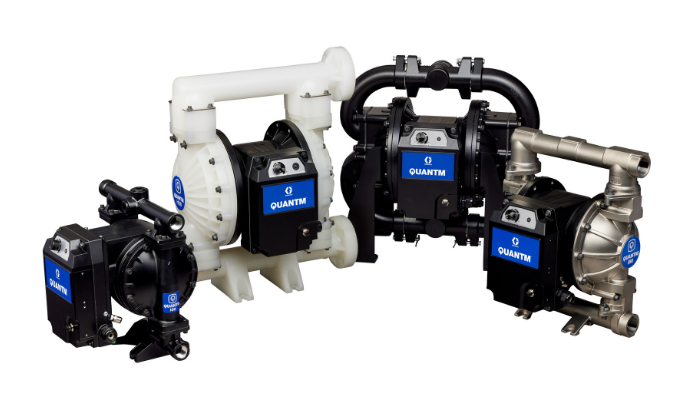
The QUANTM electric diaphragm (EODD) pump can help to make significant energy savings in surface finishing operations.
Read how we provided collaborative project support and complex, large-scale pumping solutions for a new precious metals refinery in the UK.
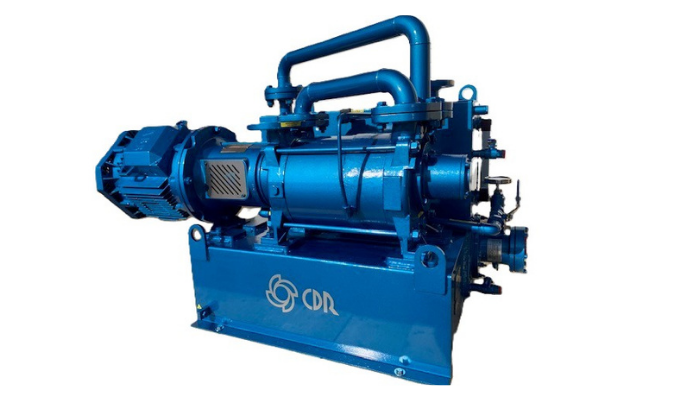
Liquid ring vacuum pumps and vacuum systems reduce energy, water and effluent costs, making them an efficient fluid-handling solution.