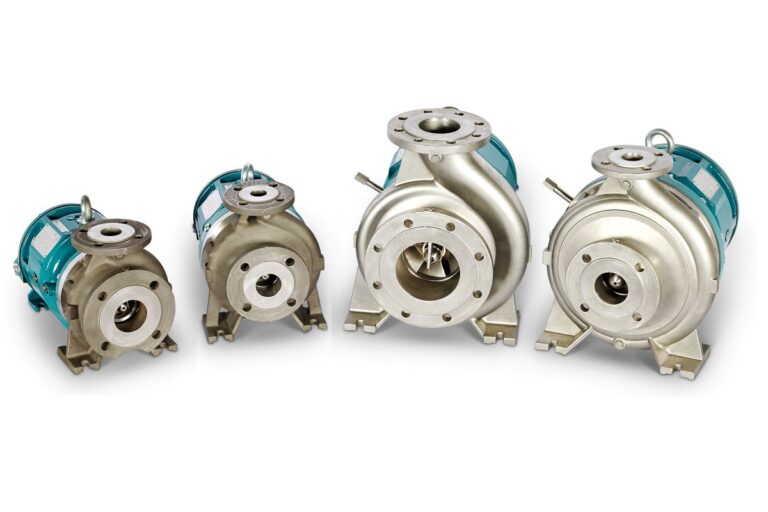
Magnetic Drive Pumps: A Complete Guide
Magnetic drive pumps provide safe and reliable transfer of hazardous, corrosive and toxic fluids across industry.

Centrifugal pumps are widely used across industry. These pumps work by converting mechanical energy from a motor into kinetic energy in the liquid. This energy is then transferred through the pump’s impeller and out through the discharge port. The two most common types of centrifugal pumps are those sealed with a mechanical seal and those that are magnetically driven. While both types of pumps transfer fluids using centrifugal force, there are distinct differences in the design, operation, and application.
In this article, we’ll explore the differences between these two types of pumps.
Sealed pumps are the most common type of centrifugal pump and have a mechanical seal that prevents the liquid from leaking out of the pump. The seal is located between the pump’s rotating shaft and its stationary housing and is designed to maintain a tight seal between the two parts, preventing any discernible leakage.
One of the biggest benefits of mechanically-sealed centrifugal pumps is their durability. They are designed to handle high pressures and temperatures, making them ideal for use in harsh environments. They are also relatively easy to maintain, as the seal can be replaced when it wears out.
Some of the industries that typically use mechanically sealed pumps include:
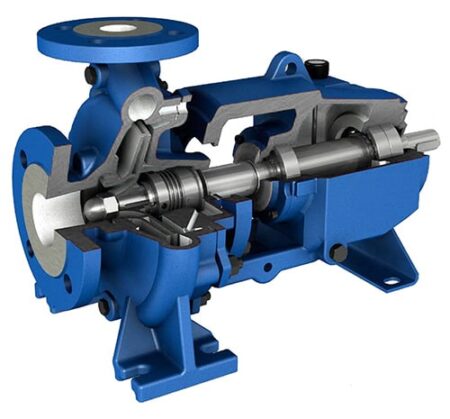
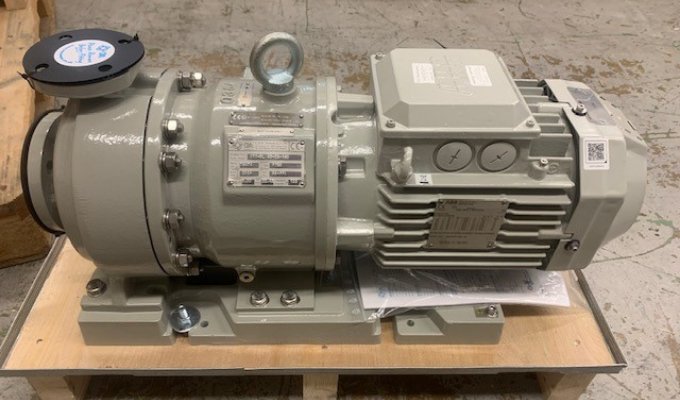
Magnetically driven centrifugal pumps are another type of centrifugal pump. They use a magnetic coupling to transfer power from the motor to the impeller, so there is no need for a mechanical seal. The magnetic coupling consists of two parts: a drive magnet on the motor shaft and a driven magnet on the impeller shaft. The two magnets are separated by a non-magnetic barrier, which removes risks of leakage.
The biggest benefit of magnetically driven centrifugal pumps is their ability to handle corrosive and hazardous liquids. The absence of a mechanical seal creates a zero-vapour-loss environment, making them ideal for use in applications where contamination is a concern. They are also more energy-efficient than sealed pumps, as they have fewer moving parts.
Some of the industries that typically use magnetic drive centrifugal pumps include:
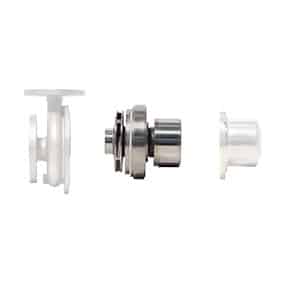
Ultimately, there are significant differences between mechanically sealed and magnetically driven centrifugal pumps both types are versatile, efficient, simple in design, easy to maintain, have a wide range of sizes and capacities, have the ability to handle high flow rates, are reliable and are durable making them a popular choice for many industries and applications.
Specific applications and requirements may vary depending on the industry and the type of fluid being handled so it’s very important to consult with pump engineers to determine the appropriate pump type, design, and configuration for a particular application.
Get in touch today and find the perfect centrifugal pump for your specific needs and keep your operations running smoothly and efficiently.

Magnetic drive pumps provide safe and reliable transfer of hazardous, corrosive and toxic fluids across industry.
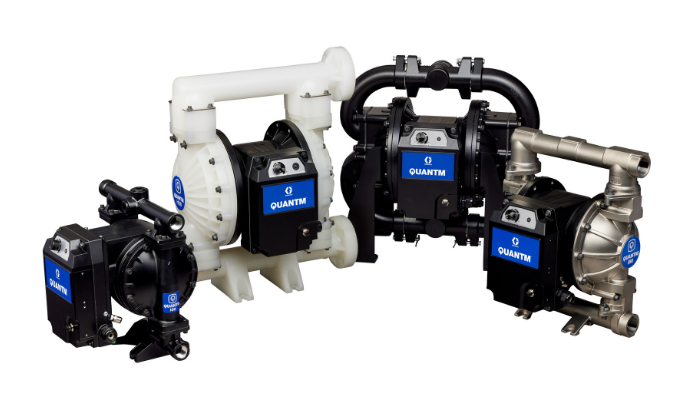
The QUANTM electric diaphragm (EODD) pump can help to make significant energy savings in surface finishing operations.
Read how we provided collaborative project support and complex, large-scale pumping solutions for a new precious metals refinery in the UK.
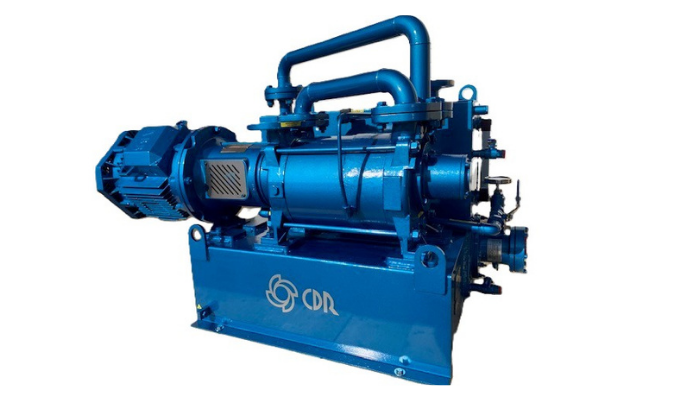
Liquid ring vacuum pumps and vacuum systems reduce energy, water and effluent costs, making them an efficient fluid-handling solution.