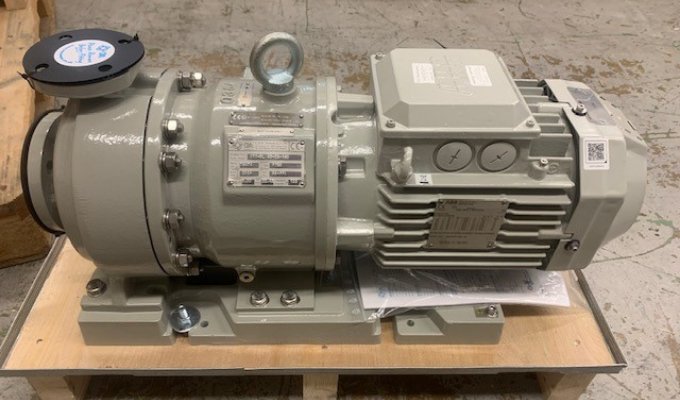
Electric diaphragm pumps, also known as electrically operated double diaphragm (EODD) pumps, provide a reliable and efficient fluid-handling solution across a wide range of industries.
Combining the versatility of diaphragm pump technology with the efficiency and control of an electric drive system, they offer a highly efficient alternative to traditional air-operated double diaphragm pumps (AODDs).
Electrically-operated diaphragm pumps are particularly suited to continuous, high-volume applications that require low pulsation and a smooth flow.
What is an Electric Diaphragm Pump?
An electric diaphragm pump is a type of positive displacement pump that uses a flexible diaphragm to move fluid through the pump chamber.
Unlike air-operated diaphragm pumps, which rely on compressed air to drive the diaphragm movement, electric diaphragm pumps use an electric motor and drive mechanism. The diaphragm acts as a barrier between the pumped fluid and the mechanical components of the pump. As the diaphragm moves back and forth, it creates a suction and discharge cycle that transfers liquid through the pump.
The addition of an electric drive provides greater pump control, enables low-pulsation operation without costly pulsation dampeners or surge tanks, and reduces energy consumption.
Key Advantages of Electric Diaphragm Pumps
Electric diaphragm pumps offer several advantages compared with conventional diaphragm technologies, particularly when process control and energy efficiency are priorities.
Energy Efficiency
Compared with air-operated diaphragm pumps, electric diaphragm pumps are much more energy efficient, resulting in significantly lower energy consumption – up to 80% less!
AODD pumps require compressed air, which is an inefficient energy source, meaning they typically operate at just 10–15% efficiency.
Electric diaphragm pumps use direct motor-driven operation, helping to reduce energy consumption and overall operating costs.
With rising energy costs and sustainability targets forcing manufacturers to rethink how critical systems are powered, electric diaphragm pumps are proving to be a highly efficient solution.
Precise Flow Control
Electric diaphragm pumps are easier to control in batching/dosing applications and have the option for a Variable Speed Drive for better control of flow rates.
They are available with either 1″, 2″, or 3″ ports providing a range of flow rates from 151 litres p/minute to 830 litres p/minute.
Self-Priming and Dry-Run Capability
Electric diaphragm pumps are inherently self-priming, removing the need for manual priming before operation.
Their design allows dry running without causing harm to the pump, reducing downtime and maintenance requirements.
Handling Solids and Shear-Sensitive Fluids
Thanks to their positive displacement design, electric diaphragm pumps can effectively manage fluids with suspended solids or abrasive particles.
Their pumping action minimises shear stress on fluids, making them suitable for sensitive materials.
Stalls Under Pressure
State-of-the-art technology allows electric diaphragm pumps to stall under pressure, preventing damage and pump failures from clogged lines or closed valves.
Leak Prevention and Fluid Containment
The seal-less diaphragm design isolates the liquid from moving components, helping to minimise leakage risks and prevent failures due to run-dry pump conditions. For applications involving hazardous, corrosive or volatile liquids, maintaining containment is a key safety consideration.
Easy Maintenance
The simple design of electric diaphragm pumps makes them easy to maintain. By eliminating the need for compressed air, they remove common issues associated with air-operated pumps, such as exhaust icing caused by moisture in the air supply. This helps reduce maintenance requirements, minimise downtime, and improve overall pump reliability.
Quiet Operation
Again, by removing the need for compressed air, they eliminate noisy air exhaust and compressor-related sound, helping to create a quieter working environment.
Wide Range of Materials and Configurations
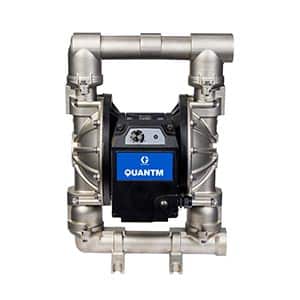
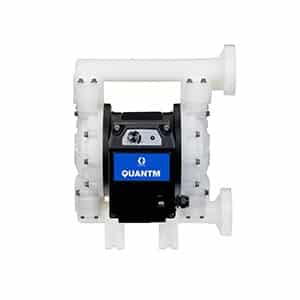
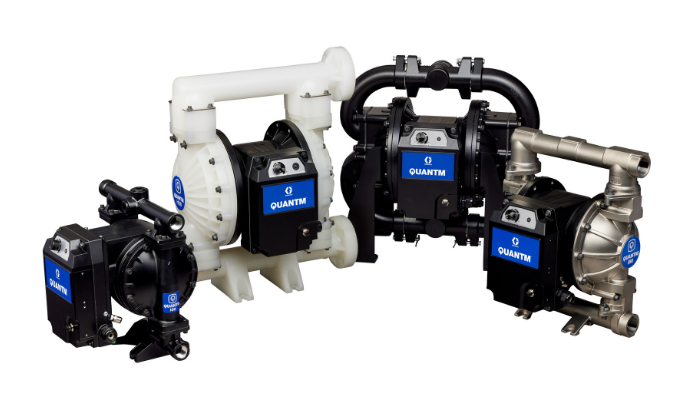
Electric diaphragm pumps are available in a variety of materials including Polypropylene, PVDF, PTFE, Stainless Steel, Aluminium, and Ductile Iron. This wide material selection ensures compatibility with a broad range of fluids and applications, from corrosive chemicals to demanding industrial processes, while providing the durability and performance required for reliable operation.