Choosing the Right Pump for Solvent Manufacturing
Chemical pumps play an important role in solvent manufacturing so we thought we would take the opportunity to look into the different types of pumps utilised by the industry. From handling corrosive substances to ensuring precise measurements, chemical pumps have a significant impact on the quality and safety of solvent production.
Centrifugal Pumps: The Workhorses of Solvent Manufacturing
Centrifugal pumps excel when handling high flow rates, are energy-efficient, and their chemical resistance and versatility allow for the transfer of a variety of fluids. Some common applications include:
- Chemical transfer
- Solvent recovery
- Wastewater treatment
- Acid circulation
- Cooling systems
- Blending operations
Magnetic drive pumps are commonly the best choice of centrifugal pump for these processes, the main benefit is their seal-less design. Using a magnetic coupling to transfer power from the motor to the impeller eliminates the need for seals, which are often the weak point in traditional pumps. Mag drive pumps excel in handling a wide range of aggressive and hazardous liquids.
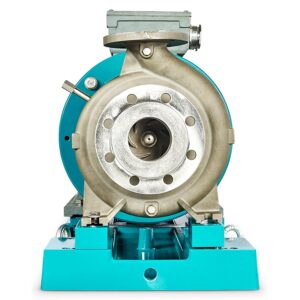
They’re particularly well-suited for:
- Corrosive chemicals – These pumps can be manufactured with materials resistant to corrosion, such as stainless steel or exotic alloys such as Hastelloy C.
- Toxic fluids – The zero-vapour-loss design means mag drive pumps are ideal for handling dangerous chemicals where even the smallest amount of fluid or vapour loss can be hazardous to life or the environment.
- Volatile organic compounds (VOCs): Again, with the zero-vapour loss design, these pumps help maintain an emission-free environment, making it easier to comply with strict environmental regulations.
- High-temperature liquids: Some models, like our UTS-Evo mag drive pumps, can handle temperatures up to 300°C without compromising performance.
Reliable pumping solutions need a reliable system. Successful solvent manufacturing applications need a thorough understanding of the process, so we would always recommend talking to a pump engineer about your specific process requirements to ensure long-term reliability and safety in solvent manufacturing.
Diaphragm Pumps: Versatility for the Viscous
One of the key advantages of diaphragm pumps is their ability to handle high-viscosity and/or shear-sensitive fluids effectively. Air-operated double diaphragm pumps are the most common but there is the possibility that the diaphragm may rupture meaning that your solvents spray through the exhaust creating a flammable mist.
This risk is mitigated by using electric diaphragm pumps. With the new QUANTM electric diaphragm pump, the design of the pump means fluids and vapours remain contained within the pump, and, as the pump is electric, the in-built leak detection system deactivates the pump immediately.
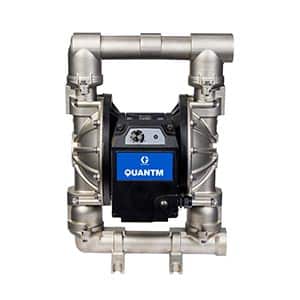
The significant advantages of electric diaphragm pumps include:
- Self-priming capability removes the need for external priming, making them a great choice for suction lift applications.
- Precise control in batching and dosing capabilities
- The Quantm electric diaphragm pumps are more energy-efficient than their air-operated counterparts, potentially saving up to 80% on running costs.
Side-Channel Pumps: Filling the Void
There can be a void between centrifugal pumps and diaphragm pumps and this is where the side-channel pump fits. Available with various sealing options, including mechanical seals and magnetic drive, side-channel pumps excel in high-head, low-flow applications and can generate significantly higher pressures than other pump types of comparable size and power. The modular design of the side-channel pump allows for easy controllability and adaptability to varying process requirements. Pumps can be configured with multiple stages to achieve the desired performance characteristics.

Chemical Compatibility & Materials of Construction
When it comes to handling solvents, chemical compatibility is a crucial consideration. You need to make sure that the pump you choose can be manufactured in materials that are resistant to corrosion. Cast iron and stainless steel are common materials of construction however, thanks to advancements in materials we have a highly expanded range of options available. New alloys such as Hastelloy B, Hastelloy C, Zirconium Oxide, and Titanium allow these pumps to handle corrosive liquids such as sulphuric acid, sodium hypochlorite, ferric chloride, and sodium hydroxide.
When it comes to less aggressive solvents, bronze can offer excellent corrosion resistance, especially in applications involving water, brine, and non-corrosive liquids. Stainless steel, particularly grades like 316SS, provides exceptional corrosion resistance and durability, making it ideal for handling more corrosive solvents and high-temperature fluids. In applications involving particularly challenging solvents, specialised non-metallic materials like PTFE can be used for wet-end parts.
Making the Right Choice in Solvent Manufacturing
When it comes to solvent manufacturing, each type of pump allows you to improve site productivity and safety. From leak-free magnetic drive pumps to the versatility of diaphragm pumps and the low-flow high-head capability of side-channel pumps, the fluid handling solution you choose influences the efficiency and safety of your application. It’s important to have a comprehensive understanding of how the size of the pump, the choice of sealing option, the materials of manufacture, and chemical compatibility all contribute to the overall effectiveness of your pump selection. If you want to ensure long-term reliability and safety, speak to a pump engineer today.
Talk to an Engineer