Ensuring Safety and Efficiency: How to Properly Handle Fluids with Chemical Pumps
When you’re working with hazardous fluids, it is important to prioritise the safety of your people, and the environment around you as well as the efficiency of applications. Chemical pumps play a crucial role in ensuring the proper transfer and containment of fluids so that you can safeguard both.
Understanding Chemical Pumps and their Functions
Simply put, chemical pumps are mechanical devices designed to transfer fluids from one place to another, ensuring a consistent and controlled flow rate. These pumps are specifically engineered to handle a wide range of liquids, including corrosive, volatile, and hazardous substances.
There are several types of chemical pumps available in the market, each with its own unique design and functionality. Centrifugal pumps and diaphragm pumps are often the most popular choice, along with reciprocating pumps.
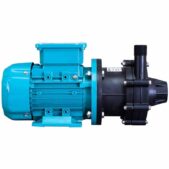
Centrifugal pumps use centrifugal force to generate pressure and move fluids through the pump,
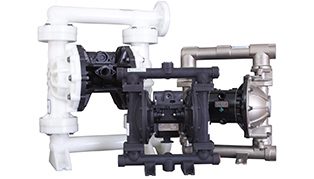
Diaphragm pumps use a flexible diaphragm to displace fluids and move them through the pump. Reciprocating pumps, on the other hand, rely on a piston or plunger to create pressure and transfer fluids.
Understanding the functions and characteristics of these pumps will help you make the right choice for your specific application.
Choosing the Right Pump for the Application
Needless to say, chemical pumps are designed to cater to a wide array of applications, ranging from pharmaceuticals and food processing to oil and gas industries – the nature of the fluid being handled, and the requirements of the application will often determine the type of pump needed.
Centrifugal Pumps: Centrifugal pumps are widely used in various industries due to their simplicity, efficiency, and versatility. They are particularly effective in applications that require high flow rates and moderate pressure. With their ability to handle different viscosities and solids content, centrifugal pumps are ideal for transferring fluids in chemical processing plants, wastewater treatment facilities, and agricultural applications.
Reciprocating Pumps: Reciprocating pumps are known for their high-pressure capabilities, making them suitable for applications that require precise and controlled fluid transfer.
Diaphragm Pumps: Diaphragm pumps are highly versatile and can handle both abrasive and corrosive fluids. They are commonly used in the pharmaceutical and chemical industries, where maintaining the purity and integrity of the fluid is important. Diaphragm pumps are also popular in applications that require gentle pumping action, such as transferring shear-sensitive substances.
Advantages of Using Pumps for IBCs (Intermediate Bulk Containers)
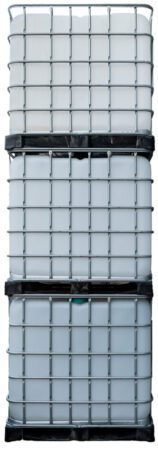
Intermediate Bulk Containers (IBCs) are widely used for storing and transporting fluids in various industries. These containers require efficient and safe methods of fluid transfer, which is where chemical pumps come into play. Utilising pumps for IBCs offers several advantages over other methods of fluid handling.
Increased Safety: Pumps provide a closed and sealed system, minimising the risk of exposure to hazardous fluids. By removing the manual handling element, you greatly reduce the chances of accidents and injuries.
Efficient Fluid Transfer: Chemical process pumps enable the quick and efficient transfer of fluids from IBCs to other containers or processing equipment. With their ability to maintain a consistent flow rate and handle different viscosities, you can make sure that the fluid is transferred accurately and without wastage. This efficiency not only saves time but also reduces costs associated with spillage or inefficient transfer.
Some of the Things to Think About When Choosing a Chemical Pump for IBCs
Chemical Compatibility: This one could quite well be the most important one. You need to know that the pump’s materials of construction are compatible with the fluid being handled. Different fluids have varying chemical properties that can react with certain materials which, in turn, can lead to a catastrophic pump failure or contamination.
Flow Rate and Pressure Requirements: This is also important; you need to know that your chosen pump can meet the demands of your application. You need to consider factors such as the distance the fluid needs to be transferred, the height it needs to be pumped, and any additional resistance or head pressure in the system.
Viscosity and Temperature: Fluid viscosity and temperature play a significant role in pump selection. Higher viscosity fluids require pumps with larger clearances and higher torque capabilities. Similarly, temperature-sensitive fluids may require pumps with temperature control or insulation features.
Maintenance and Serviceability: Chemical pumps that are easy to disassemble, clean, and maintain can save time and resources.
Tips for Safely Handling Fluids with Chemical Pumps
While chemical pumps provide a safe and efficient method of fluid transfer, there are guidelines and best practices to make sure that your workforce remain safe, and that the life span of the pump is maximised.
Pump Training: Make that all personnel involved in handling chemical pumps receive proper training and familiarisation with the equipment. Training should cover topics such as pump operation, safety protocols, emergency procedures, and proper handling of hazardous fluids.
Personal Protective Equipment (PPE): Always wear appropriate PPE when handling fluids with chemical pumps. Depending on the nature of the fluid and the associated risks, PPE may include gloves, goggles, respirators, coveralls, or other protective gear.
Proper Ventilation: Proper ventilation helps maintain a safe working environment by reducing the risk of inhalation and potential health hazards associated with the fluid being handled.
Regular Inspections and Maintenance: Carry out regular inspections and maintenance of the chemical pumps to identify any potential issues or malfunctions. Inspect the pump and all associated components for signs of wear, leaks, or damage.
Emergency Preparedness: Establish clear emergency procedures and protocols in case of spills, leaks, or other hazardous situations. Train employees on these procedures and make sure that appropriate spill containment and cleanup equipment, such as absorbents and spill kits, are readily available.
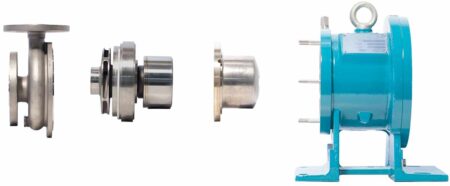

Maintenance and Troubleshooting for Chemical Pumps
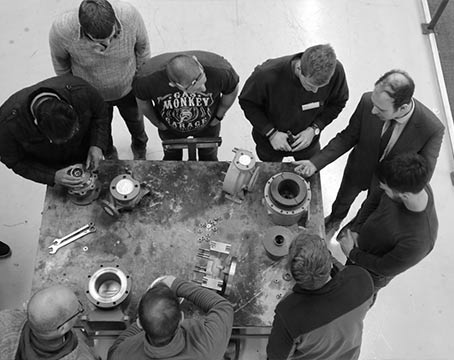
Proper maintenance and troubleshooting will help the life span and performance of chemical pumps. By following recommended maintenance practices, you can minimize downtime and maximise the efficiency.
Routine Cleaning: Clean the chemical pump regularly to prevent the buildup of debris, sediment, or contaminants that may affect its performance. We would always recommend following the guidelines for cleaning procedures and use appropriate cleaning agents to avoid damaging the pump or compromising its functionality.
Inspect the seals and gaskets for signs of wear, leaks, or deterioration and replace any damaged or worn-out parts.
Lubrication: Make sure that the pump’s moving parts are properly lubricated to reduce friction and wear on the pump. Pumps being run dry is one of the leading causes of centrifugal pump failure and, whilst we can take other measures to mitigate this, we do need to remember the basics.
Monitoring and Recording: You can introduce a system for monitoring and recording pump performance parameters such as flow rate, pressure, and temperature.
Making the Right Choice
When you prioritise safety and efficiency, you can confidently handle fluids, safeguard your workforce, and the environment while maximising the productivity of your operations. By understanding how chemical pumps function, and which pump type is the best for your application, you can achieve the ideal fluid-handling solution for your operations. If you have any questions regarding chemical pumps and fluid handling solutions, do get in touch, we’re here to help.
Get in Touch