The electric diaphragm pump has changed how we use these positive displacement pumps in chemical and industrial applications.
So, what actually is an electric diaphragm pump?
Simply put, it’s an air-operated diaphragm pump with an electric motor and over the past couple of years, the electric diaphragm pump – also commonly known as an EODD – has changed the diaphragm pump landscape.
The addition of an electric motor to an air-operated diaphragm pump gives you more control over the pump, offers the possibility for low pulsation without using pulsation dampeners, and saves energy.
Traditionally, AODD pumps use compressed air as a power source. The downside of using air is that compressors use a lot of energy and you are left with little control over flow rates.
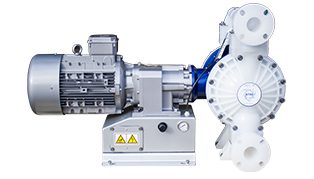
All the benefits of diaphragm pumps and more
Diaphragm pumps are a popular choice of positive displacement pumps and the electric diaphragm pump only takes this further. The EODD pumps:
- Will stall when under pressure thereby avoiding damage to the pump
- Are available with either 1″, 2″, or 3″ ports giving you a range of flow rates from 151 litres per minute up to 830 litres per minute
- Are available in a wide variety of materials and configurations including Polypropylene, PVDF and PTFE, Stainless Steel, Aluminium and Ductile Iron
- Are inherently self-priming
- Can be ATEX Certified for explosive atmospheres
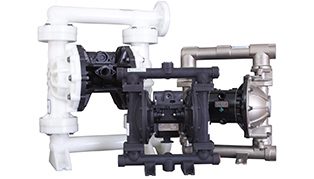
Just like standard air-operated diaphragm pumps but with the added benefits of:
- Being easier to control in batching/dosing applications and has the option for a Variable Speed Drive for precise control
- Reduced pulsation without the need for additional pulsation dampeners
- Can be mobile
- Are gentler on sensitive materials
- Being quieter
- Isn’t subject to frosting
The single main, and obvious difference is the addition of a motor. This small change means you can save up to 80% on running costs with a more energy-efficient electric drive.
What does a “more energy efficient” diaphragm pump mean in real terms?
When bringing in new fluid handling solutions, or replacing existing ones, we know that there can be a lot of people involved with making a decision, including the people who pay the bills so let’s put this in real terms.
The table below outlines the cost implications of a 2″ PP/PTFE Air-Operated Diaphragm Pump versus that of a 2″ PP/PTFE Electric Diaphragm Pump
[wpdatatable id=2]
There is no hiding the fact that upfront, the electronically operated diaphragm pump costs a lot more money, however, it’s obvious that they are a much better long-term plan for energy efficiency and lower costs. It is worth noting that the electronic diaphragm pump doesn’t negate the need for air altogether because a small amount is needed to charge the pump however this can be circumvented with an additional compressor if you do not have access to air on-site.
* Prices were correct at the time of publishing and may have increased since.
For an accurate quote, please email sales@cdr.sktesting.co.uk
The prices in this post have been recently updated to reflect the recent increase in UK energy prices over recent months. As we know, business energy tariffs are not capped inline with domestic supply so it’s important to try and reflect the impact on your business.
Please note that these calculations are estimates only – they do not take into consideration your own agreements with energy suppliers.