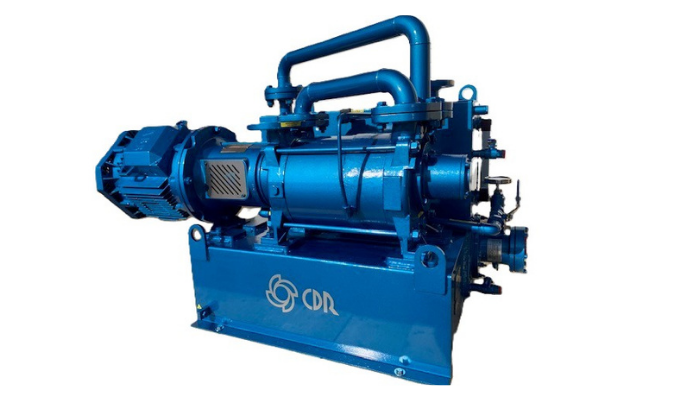
Maximising Efficiency with Liquid Ring Vacuum Pumps
In a world where resource efficiency is increasingly critical, liquid ring vacuum technology – with modern recirculation – is a smart investment.

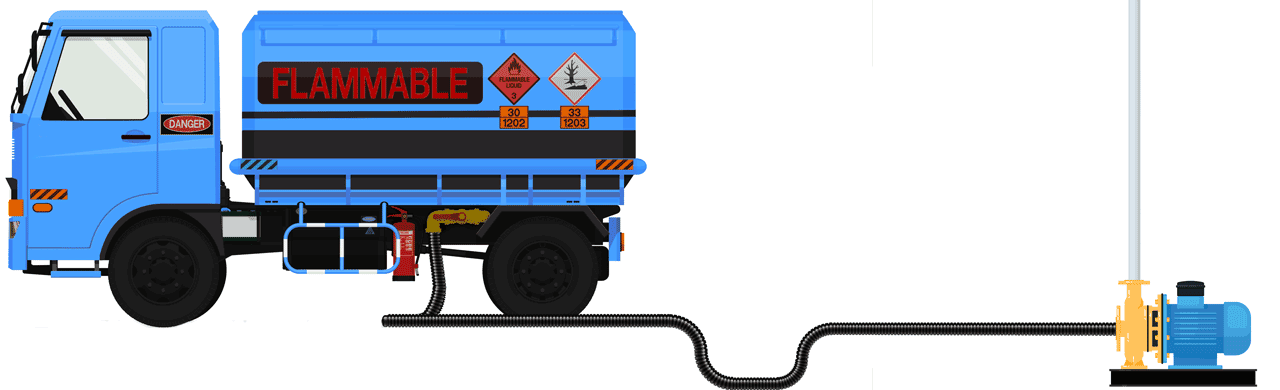
The chemical distribution industry is reported to be worth £190 billion worldwide, so it’s no surprise to learn that global mobility has had a huge impact. Chemicals no longer need to be transported via pipelines to the wider manufacturing community and it is incredibly common for materials to be transported by road, rail, and sea seeing a rise in tanker unloading applications.
The Carriage of Dangerous Goods and Use of Transportable Pressure Equipment Regulations, also known as ADR, International Carriage of Dangerous Goods by Rail (RID) Regulations and International Maritime Dangerous Goods Code all cover the transport chain when moving hazardous fluids by road or rail, and one of the positive changes we have seen, is the chemical manufacturing industry’s preference o unload tankers and IBC’s using pumps over the more dated method of pressurising containers to “blow out” the contents.
Changes in pump technology and the advancement of compatible materials has made tanker unloading much safer and more efficient.
Health & safety and chemical compatibility are important factors when choosing the right pump for your unloading applications. Mag drive pumps are the safest choice for toxic and hazardous fluids as they feature zero-vapour loss. It’s common knowledge that mag drive pumps shouldn’t be run dry; however, CDR Pumps’ manufactured mag drives can include Runsafe SiC bushes, axial thrusts, and shafts to minimise damage to the units.
Polypropylene or ETFE lined mag drive pumps are a popular choice for unloading applications as they increase the range of chemical compatibility.
The three main concerns to assess when looking for unloading solutions are:
Overcoming the challenges can be resolved with:
Specifically designed for hazardous duties, mag drive pumps are designed to ensure that no hazardous or toxic fluids and vapours are released into the environment. Using pumps to offload a tanker or container gives you a more controlled environment.
The benefits of mag drive pumps in tanker unloading applications:
Tankers coming and going can cause pipework to move so lined pumps are a great choice – they offer great chemical resistance and the metallic outer casing means they are robust and strong however pumps are selected based on need so you might find a metallic mag drive such as the ETS or UTS works really well for tanker unloading applications.

In a world where resource efficiency is increasingly critical, liquid ring vacuum technology – with modern recirculation – is a smart investment.
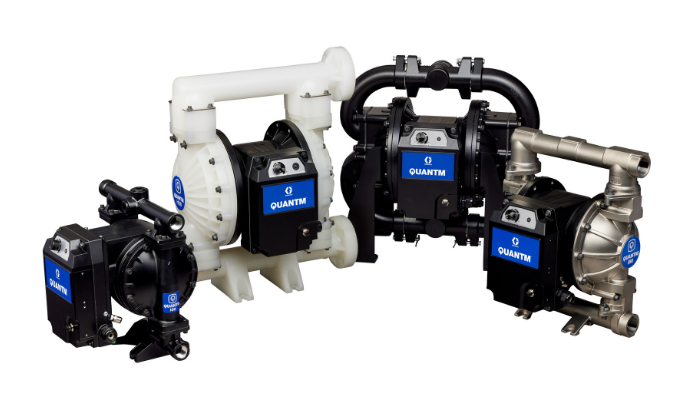
A UK manufacturer cut pumping energy costs by nearly £1 million in a single year by replacing compressed air-driven pumps with high-efficiency electric alternatives.

We are pleased to be exhibiting at CHEMUK 2026, the UK’s leading trade show for the chemical, process engineering and formulated product industries.

We are delighted to announce that CDR Pumps has been shortlisted as a finalist for the Chemicals Northwest Supplier to the Chemical Industry Award 2026.