When it comes to handling corrosive chemicals, making sure you choose to most appropriate pump is crucial to ensure efficient and safe operations. Two common options in chemical pump selection are metallic chemical pumps and plastic-lined pumps. While both have their advantages, the choice depends on various factors such as the strength of materials, product temperature, and chemical resistance.
The Strength of the Pump Materials
One of the key factors to consider when selecting a chemical pump is the strength of the materials the pump has been manufactured in. Metallic chemical pumps are typically constructed from stainless steel, cast iron, or other alloys, providing excellent strength and durability. These pumps are well-suited for applications that involve high-pressure and high-temperature environments.
The robust construction of metallic pumps allows them to withstand heavy-duty operations, making them ideal for applications involving abrasive or erosive chemicals. They offer superior resistance against wear and tear, ensuring longevity and minimizing maintenance requirements. In scenarios where the pumped fluid contains solid particles or involves high system pressures, a metallic chemical pump is often the preferred choice.
The Temperature of the Product
Product temperature plays a crucial role in determining the appropriate pump material. Metallic chemical pumps are capable of handling a wide range of temperatures, including both low and high extremes. The inherent thermal conductivity of metals enables effective heat dissipation, preventing the pump from overheating and maintaining consistent performance.
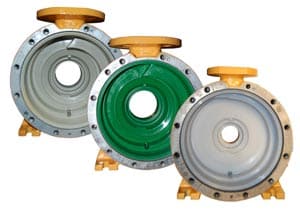
Plastic-lined pumps, on the other hand, are specifically designed for applications involving highly corrosive fluids at moderate temperatures. These pumps consist of a metallic outer casing lined with a chemically resistant plastic material such as PTFE (polytetrafluoroethylene). The plastic lining offers exceptional resistance to a broad spectrum of aggressive chemicals. However, it is important to consider the maximum operating temperature limits of the plastic lining material to ensure the pump’s reliability and longevity.
Chemical Resistance
Chemical compatibility is perhaps the most critical consideration when selecting a pump for handling corrosive substances. Metallic chemical pumps are known for their broad chemical resistance capabilities. Stainless steel, for instance, exhibits exceptional resistance to a wide range of corrosive fluids, including acids, alkalis, and solvents. It is crucial to select the appropriate alloy or grade of stainless steel that matches the specific chemical being pumped to ensure optimal corrosion resistance.
Plastic-lined pumps excel in situations where the pumped media is highly corrosive and incompatible with metallic materials. The plastic lining acts as a barrier, shielding the metallic components from direct contact with the corrosive fluid. PTFE lining, for example, provides exceptional resistance to strong acids, caustics, and many organic solvents. Plastic-lined pumps offer superior protection against chemical attacks, preventing corrosion-related issues and ensuring the safe handling of aggressive substances.
Making the right choice
Choosing the right pump for handling corrosive chemicals involves careful consideration of various factors, including the strength of materials, product temperature, and chemical resistance. Metallic chemical pumps offer excellent strength and durability, making them suitable for high-pressure and high-temperature applications. Plastic lined pumps, on the other hand, are specifically designed for moderate temperature operations where exceptional chemical resistance is paramount.
By evaluating the specific requirements of your application and considering the compatibility of the pumped media, you can make an informed decision between a metallic chemical pump and a plastic-lined pump. Both options provide reliable and efficient solutions for corrosive fluid handling, ensuring the longevity of your equipment and the safety of your operations.
Ready to make an informed choice and optimise your corrosive chemical handling processes?
Whether you’re seeking strength and durability or exceptional chemical resistance, our engineer’s are here to help you choose the ideal pump solution for your unique needs.
Get in Touch