A leading chemical manufacturer required a safer and more consistent tanker unloading process for handling highly corrosive chemicals, including sulphuric acid and hydrogen peroxide.
CDR Pumps (UK) Ltd designed and supplied a complete magnetic drive pump solution that standardised the unloading procedures, improved operator safety and delivered real-time process monitoring for greater control and reliability.
The Challenges in Tanker Unloading
Handling aggressive chemicals such as sulphuric acid and hydrogen peroxide presents significant operational and safety challenges. The customer’s existing unloading process relied on either the “blowing method” or tanker-mounted pumps, creating inconsistencies between deliveries and limiting operational visibility during transfer operations. They needed to reduce the risks associated with tanker unloading while improving consistency across multiple deliveries and tanker types.
Key concerns included:
- A lack of control and limited visibility during unloading operations due to their reliance on external tanker-mounted equipment
- Safety risks and potential leakage when handling corrosive substances using non-standardised equipment
- Inconsistent unloading times and procedures depending on tanker configurations
- A need to standardise site equipment to reduce maintenance complexity and parts inventory
- Desire to explore more technically robust and future-proof solutions across the site
A Collaborative Approach
Following a detailed site assessment to review the customer’s unloading setup, our technical team carried out a detailed review to gather all essential data for accurate pump specification, including:
- Pipework diameters and lengths
- Required tank discharge heads
- Typical unloading durations
- Tanker positioning and flow path
- Chemical properties and concentrations
Discussions with the site team helped us understand both current operations and long-term improvement plans.
The Tanker Unloading Solution
Recognising the hazards involved with 96% sulphuric acid and 50% hydrogen peroxide, we recommended the installation of seal-less magnetic drive pumps paired with real-time power monitoring:
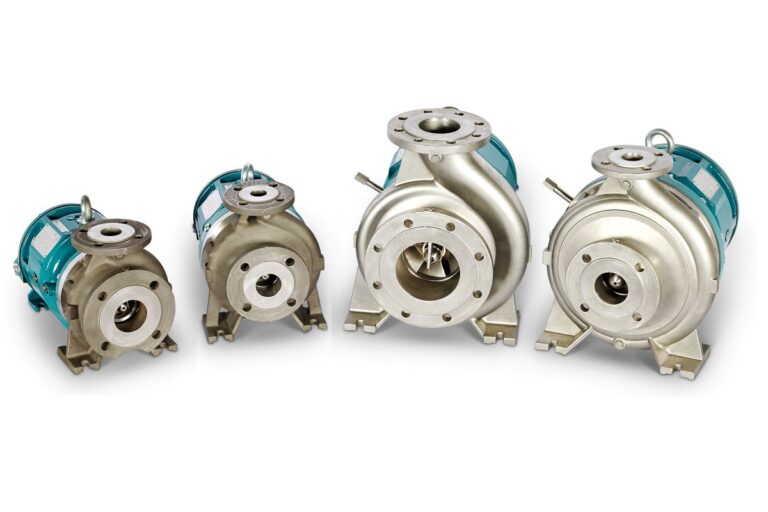
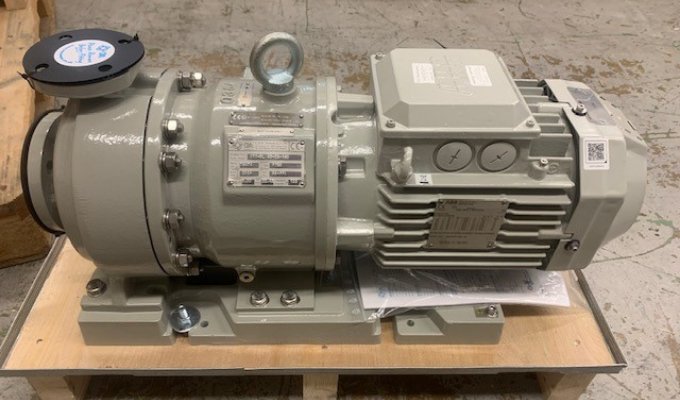
- Two ETN60 ETFE-lined magnetic drive pumps – engineered specifically for highly corrosive chemical handling, and fully tested at our global manufacturing site in Italy prior to installation
- Integrated power monitors – to give the client real-time data to detect anomalies such as dry-running or blocked lines
We also introduced the customer to our ‘Emergency Stock Programme’, which offers a three-day build time for mission-critical pumps, reducing downtime if replacements are ever needed.
Why Magnetic Drive Pumps Were Selected
The chosen pumping solution offered several advantages for hazardous chemical unloading applications:
- Seal-less containment – reducing the risk of leaks when handling dangerous corrosive chemicals
- ETFE chemical resistance – the ETFE-lined construction provides excellent resistance to aggressive chemicals including sulphuric acid and hydrogen peroxide
- Improved process monitoring – enabling operators to identify abnormal operating conditions, including dry running or restricted flow, and helping to improve process control and equipment protection
The Result
The completed system provided the customer with a safer and more controlled unloading process while supporting long-term operational reliability. The key results included:
- Improved safety and containment – the seal-less design of our mag drive pumps eliminates the risk of mechanical seal failure, which is critical for high-risk chemical environments
- Greater operational control – power monitors gave the on-site team the ability to supervise and manage unloading procedures
- Operational consistency – standardised pump systems resulted in simpler maintenance and spare parts management
The Right Choice for Tanker Unloading
This project showcases our commitment to collaboration, engineering excellence, and tailoring fluid-handling solutions to meet the needs of the customer. Through a combination of technical expertise, responsive support, and after-care, our long-standing customer now has a safer, more efficient, and standardised chemical handling process.
If you’re exploring how to improve the safety and control of your tanker unloading processes, get in touch with the specialist team at CDR Pumps (UK) Ltd. Contact us on 01933 674777 or sales@cdrpumps.co.uk