What Is a Magnetic Drive Pump?
Magnetic drive pumps, often referred to as mag drive pumps or seal-less pumps, are a type of centrifugal pump designed to transfer liquids without the need for a traditional mechanical shaft seal. Instead, they use a magnetic coupling to transmit power from the motor to the impeller, creating a completely enclosed pumping system.
This seal-free design eliminates the risk of process fluid leaking from the pump, making magnetic drive pumps a preferred choice for handling hazardous, corrosive and toxic chemicals across a wide range of industries.
By removing the risk of seal failure, magnetic drive pumps provide a safe, reliable and low-maintenance solution for demanding process applications.
How Does a Magnetic Drive Pump Work?
The design of a magnetic drive pump eliminates the need for a mechanical shaft seal by using a powerful magnetic coupling which transfers torque or force between two components without any physical contact.
Instead of a direct shaft connection, the motor drives an outer magnet assembly. As these magnets rotate, the magnetic field passes through a stationary containment shell. Inside the pump, a second magnet assembly is attached to the impeller. The magnetic attraction causes the inner assembly to rotate at the same speed as the outer magnet, driving the impeller without any physical connection between the motor and the wetted components, hence the synchronous drive.
The result is efficient energy transmission while maintaining a completely sealed system, preventing any vapour loss or fluid leakage – just a single gasket or O-ring seal.
The Main Components of a Magnetic Drive Pump
Understanding the key components helps explain why magnetic drive pumps are so effective in chemical processing applications.
Outer (Drive) Magnet
Connected directly to the motor shaft, the outer (or drive) magnet transmits the rotating magnetic field that ultimately transfers torque through the stationary isolation or containment shell.
Inner (Driven) Magnet
The inner (or driven) magnet is located within the pump casing and is attached to the impeller. It is a synchronous drive that rotates in response to the outer magnet rotation.
Impeller
The impeller moves the process fluid through the pump, converting the mechanical energy from the motor into hydraulic energy. As it rotates, it draws liquid into the centre (or ‘eye’) before using centrifugal force to accelerate it outward.
Isolation/Containment Shell
The isolation or containment shell isolates the pumped liquid from the motor while allowing the magnetic field to pass through. It is made from either low eddy current Hastelloy C™ or non-magnetic materials that fully seal the liquid chamber without the need for mechanical shaft seals.
Pump Casing
The pump casing houses the impeller and directs the fluid flow towards the pump outlet.
Why Choose a Magnetic Drive Pump?
By eliminating mechanical seals, magnetic drive pumps offer several operational and environmental advantages.
Enhanced Process Safety
A fully enclosed pumping system eliminates the risk of vapour loss or fluid leakage, creating a safer working environment. This is particularly important where operators are working with volatile, toxic or flammable chemicals that could pose health or environmental risks if released.
Reduced Maintenance Requirements
With no mechanical seal to inspect or replace, routine maintenance is simplified. Fewer wearing components contribute to improved equipment reliability and longer operational life.
Improved Environmental Protection
Leak-free operation reduces the risk of harmful chemical emissions or accidental spills, helping businesses to comply with environmental regulations.
Suitable for Corrosive Fluids
Magnetic drive pumps are designed for exceptional corrosion resistance, making them the preferred choice for applications involving aggressive or abrasive fluids.
CDR mag drives are available in a wide range of corrosion-resistant materials including polypropylene (PP), PVDF, stainless steel and Hastelloy C. Selecting the appropriate materials of construction ensures compatibility with the pumped liquid and helps maximise operational life.
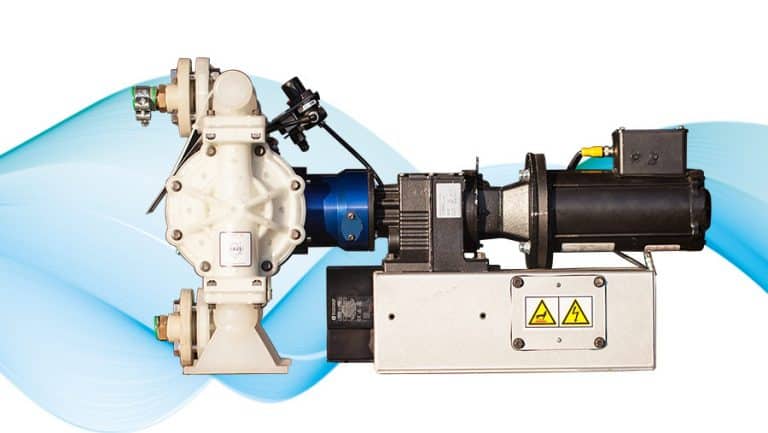
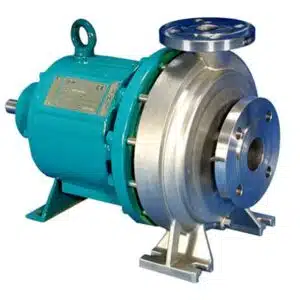
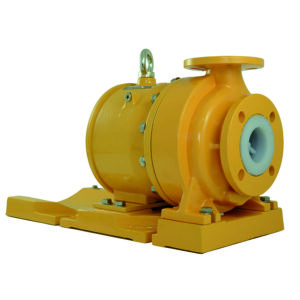
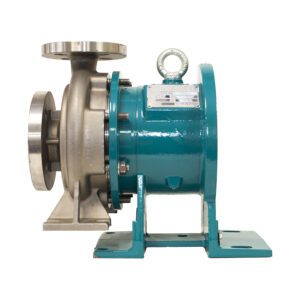
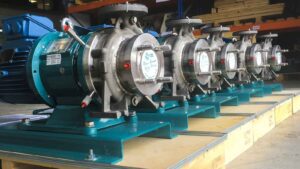
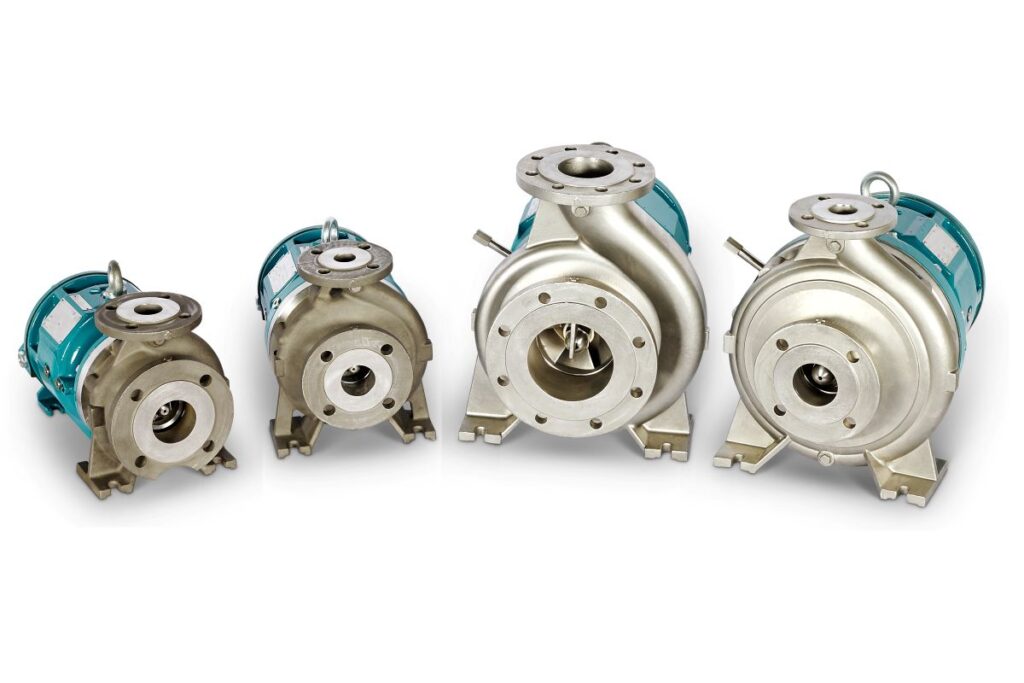
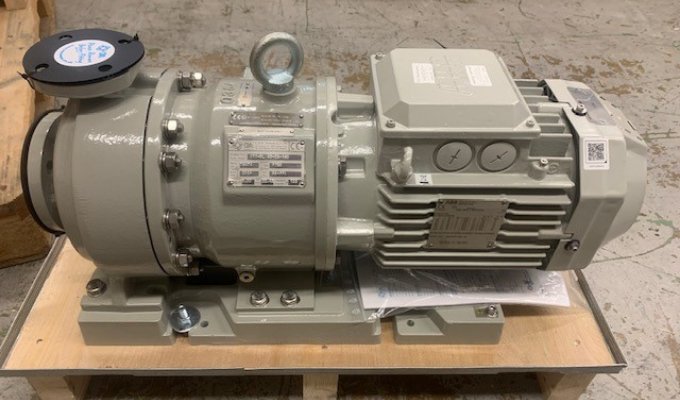
Some of the mag drive pumps available from CDR Pumps (UK) Ltd
Typical Applications for Magnetic Drive Pumps
Thanks to their combination of reliability, safety and chemical resistance, magnetic drive pumps are used across many industrial sectors.
Typical applications include:
- Chemical manufacturing – Transferring aggressive chemicals used in the production of fine chemicals, fibres, detergents, pigments and speciality products
- Pharmaceutical manufacturing – Handling process chemicals where product integrity and contamination control are critical
- Nuclear applications – Pumping radioactive or hazardous process fluids in systems where leak prevention and operational safety are paramount
- Petrochemical processing and oil refining – Transferring hydrocarbons, additives, solvents and treatment chemicals throughout refining and downstream processing operations
- Fertiliser production – Handling corrosive chemicals such as phosphoric acid, sulphuric acid and ammonia-based solutions used during fertiliser manufacture
- Galvanising and metal finishing – Safe and effective handling of hydrochloric acid used in surface preparation
- Air and gas treatment – Transfer of corrosive or toxic vapours with continuously changing pH ranges in fume scrubber service liquids
- Water and wastewater treatment – Dosing treatment process chemicals used in water purification and effluent treatment
- Waste management and recycling – Pumping corrosive liquids, chemical waste streams and process fluids associated with recycling and waste treatment facilities
- Road tanker and IBC loading and unloading – Safely transferring hazardous chemicals between storage tanks, process vessels, road tankers and intermediate bulk containers (IBCs)
- Batch processing – Moving raw materials, intermediates and finished products between vessels in controlled manufacturing processes where product consistency is essential
- Temperature control systems – Circulating thermal oils (up to 320⁰C), heat transfer fluids and cooling media in industrial heating and cooling applications
- Clean-in-Place (CIP) systems – Recirculating cleaning chemicals and sanitising solutions through process equipment and pipework
Which Fluids Can Magnetic Drive Pumps Handle?
Volatile, Hazardous and Corrosive Liquids
Magnetic drive pumps are ideal for transferring volatile, hazardous and corrosive liquids. The seal-less design helps prevent fluid leakage and fugitive emissions when pumping volatile organic compounds (VOCs), solvents and other hazardous process chemicals, making them well-suited to applications where safety and environmental protection are paramount.
Typical chemicals include:
| Acetone | Formaldehyde | Pentane |
| Acid Chloride | Glycerine | Phosphoric Acid |
| Ammonium Sulphate | Hydrochloric Acid | Sodium Bromide |
| Benzene | Hydrofluoric Acid | Sodium Hydroxide |
| Chloroform | Lithium Hydroxide | Sodium Hypochlorite |
| Cyclohexane | Methane | Sodium Sulphate |
| Ethanol | Nitric Acid | Sulphuric Acid |
Material compatibility is one of the most important factors when selecting a magnetic drive pump. CDR’s engineering team will work with you to identify the most suitable pump and materials of construction for your specific application and operating conditions.
High Temperature Liquids
For high-temperature applications, selecting a pump capable of withstanding both the process temperature and the chemical environment is essential for safe, reliable operation.
CDR’s UTS Evo magnetic drive pump is designed to handle process fluids of up to 180°C as standard, with specialised configurations available for temperatures of up to 300°C.
Particulate-Laden Fluids
Standard magnetic drive pumps are generally unsuitable for fluids containing suspended solids, as particles can block and damage the fluid paths, leading to pump failure. In these applications, operators have traditionally relied on mechanically sealed pumps with external flushing systems. While capable of handling particulates, these systems introduce potential leak paths and increase maintenance requirements.
CDR Pumps has addressed this challenge with an innovative solids-handling magnetic drive pump, specifically engineered to process fluids containing up to 30% suspended solids without external flushing. Combining reliable solids-handling performance with a seal-less design, the XTS/XTN solids-handling mag drive enables operators to benefit from leak-free operation while reducing the risk of process contamination.
You can read more about our solids-handling magnetic drive pump here>>
Why Choose CDR Pumps (UK) Ltd?
There are many factors to consider when selecting the right magnetic drive pump. Chemical compatibility, operating temperature, solids content and the overall process environment all play a critical role in ensuring safe, reliable and efficient operation.
With decades of experience supplying magnetic drive pumps to a wide range of industries, CDR Pumps provides expert technical guidance to help you identify the most suitable solution for your application. Our engineers will work with you to recommend the most appropriate pump and materials of construction to deliver reliable, long-term performance. We’ll also provide ongoing technical support from specification through to installation and beyond.
If you would like advice on selecting a magnetic drive pump or would like to discuss a specific application, contact the CDR Pumps team. Whether you’re replacing an existing pump, specifying equipment for a new process or looking to improve reliability, our experienced engineers are here to help.
Contact our team on 01933 674777 or at sales@cdrpumps.co.uk