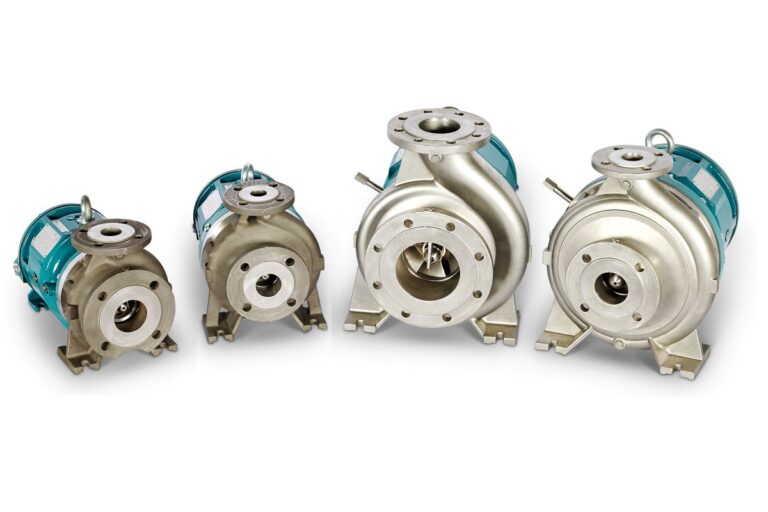
Magnetic Drive Pumps: A Complete Guide
Magnetic drive pumps provide safe and reliable transfer of hazardous, corrosive and toxic fluids across industry.

Pump vortexing occurs when liquid is drawn towards a pump suction inlet in a rotating motion, resulting in a depression in the surface of the liquid and creating a whirlpool or vortex.
If the vortex extends far enough towards the suction inlet, air can be drawn into the pump, reducing the pump’s performance and potentially causing operational problems.
Vortexing can affect centrifugal pump installations and is particularly likely where there is insufficient liquid above the pump suction inlet, or where the velocity of the liquid entering the suction pipe is too high.
The visual effect of the vortex is similar to when water drains through a plug from a sink or bathtub.
Possible signs that a centrifugal pump is experiencing vortexing include:
Two important factors affecting vortex formation are insufficient submergence and liquid velocity.
Submergence refers to the depth of liquid above the suction inlet. If the liquid level is too close to the suction inlet, there may not be sufficient liquid above the inlet to prevent a vortex from forming.
High liquid velocity at the suction inlet can increase the likelihood of vortex formation.
The appropriate solution will depend on the design and operating conditions of the installation, but preventative measures can include increasing the liquid level above the suction inlet and reducing liquid velocity.
The key is to consider the relationship between flow rate, suction velocity and available submergence rather than treating the pump itself as the only potential source of the problem.
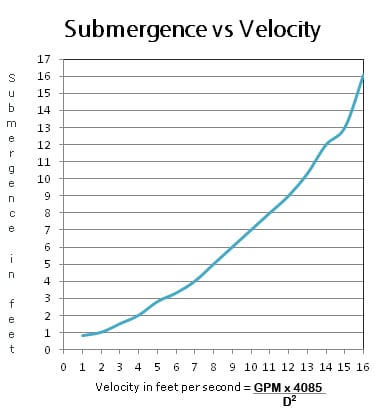
Vortexing and pump cavitation can produce similar symptoms, including noise and reduced performance, but they are different phenomena.
Vortexing occurs when the movement of liquid towards the suction inlet creates a rotating vortex that can draw air into the pump.
Cavitation occurs when the local pressure within the liquid falls below its vapour pressure, causing vapour bubbles to form. These bubbles subsequently collapse as they move into areas of higher pressure.
Correctly identifying which problem is occurring is important because the causes – and therefore the solutions – are different.
You can read our guide to pump cavitation and how to prevent it here:
If you’re experiencing reduced flow, unusual noise, vibration or other problems with a centrifugal pump, our engineering team can help identify the cause and recommend the appropriate solution.
Call 01933 674777 to speak to the CDR Pumps team.

Magnetic drive pumps provide safe and reliable transfer of hazardous, corrosive and toxic fluids across industry.
How to improve energy efficiency in surface finishing operations with the QUANTM electric diaphragm (EODD) pump.
Read how we provided collaborative project support and complex, large-scale pumping solutions for a new precious metals refinery in the UK.
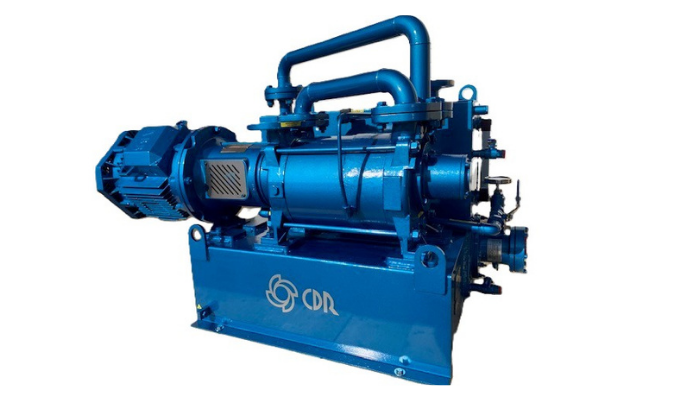
Liquid ring vacuum pumps and vacuum systems reduce energy, water and effluent costs, making them an efficient fluid-handling solution.