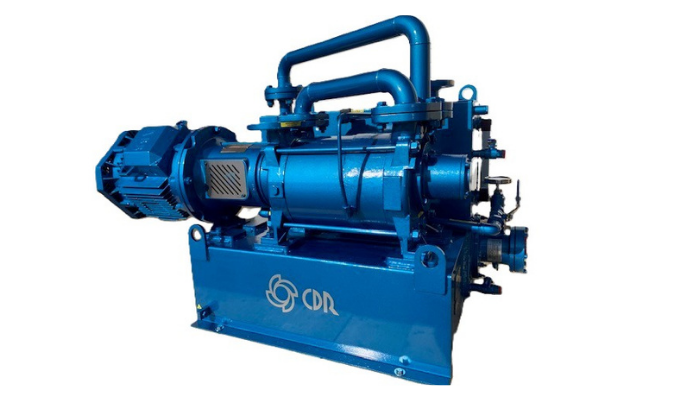
By upgrading to UTS magnetic drive pumps and optimising the complete phenol unloading process, a leading performance additives manufacturer reduced annual energy consumption by more than 170,000 kWh, cut operating costs by almost £30,000 per year, and improved the safe handling of a hazardous chemical.
At CDR Pumps, we believe the most effective solution lies in understanding how the complete system operates. Rather than simply recommending a replacement chemical process pump, our engineers first examine the complete pumping system. How is the product transferred? Is the pump operating continuously when it doesn’t need to? Is the motor correctly sized? Could existing utilities such as steam be used more effectively? Answering these questions often reveals opportunities that extend beyond the pump alone.
This case study demonstrates our holistic approach to helping our customers make significant process efficiencies and cost savings.
A Smarter Approach to Phenol Unloading
Our customer is a global leader in the manufacturing of performance additives. Their UK manufacturing facility produces phenol-based products and is guided by a no-waste, high-efficiency philosophy, constantly striving to improve working practices, save energy, and minimise hazards.
After conducting a thorough review of their processes for unloading phenol from 26,000-litre capacity road tankers and transferring it to bulk storage tanks, we identified several opportunities to reduce energy consumption, simplify operations, and improve the long-term reliability of the unloading process.
The Challenge
Phenol (also known as carbolic acid or phenylic acid) is a hazardous chemical widely used in the manufacture of resins, plastics and performance additives. Because phenol begins to solidify at relatively low temperatures, maintaining product temperature during unloading is essential. As a flammable substance regulated under COMAH (Control of Major Accident Hazards) regulations, the transfer process also requires reliable, leak-free containment.
The existing unloading process relied on four continuously operating canned seal-less pumps powered by 11 kW ATEX-rated motors. While effective, the system consumed significant amounts of electricity simply to maintain product temperature and circulation between unloading operations.
The customer wanted to reduce energy consumption and operating costs without compromising safety, performance or compliance when handling hazardous phenol.
Replacing Inefficient Pumps
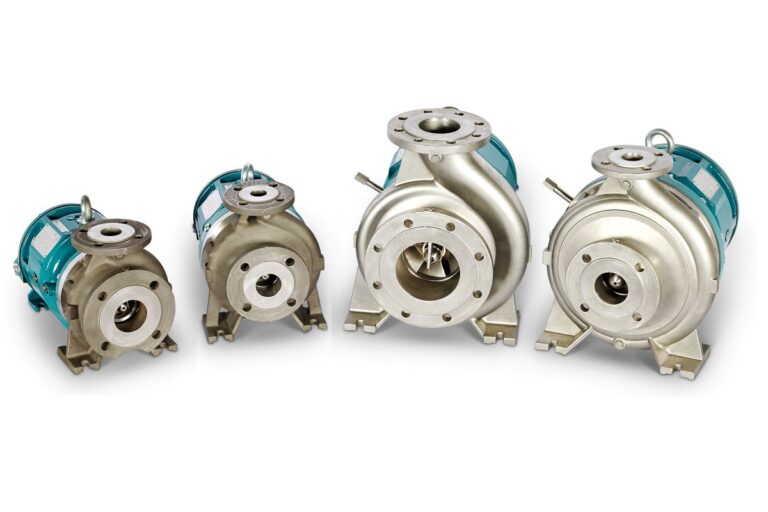
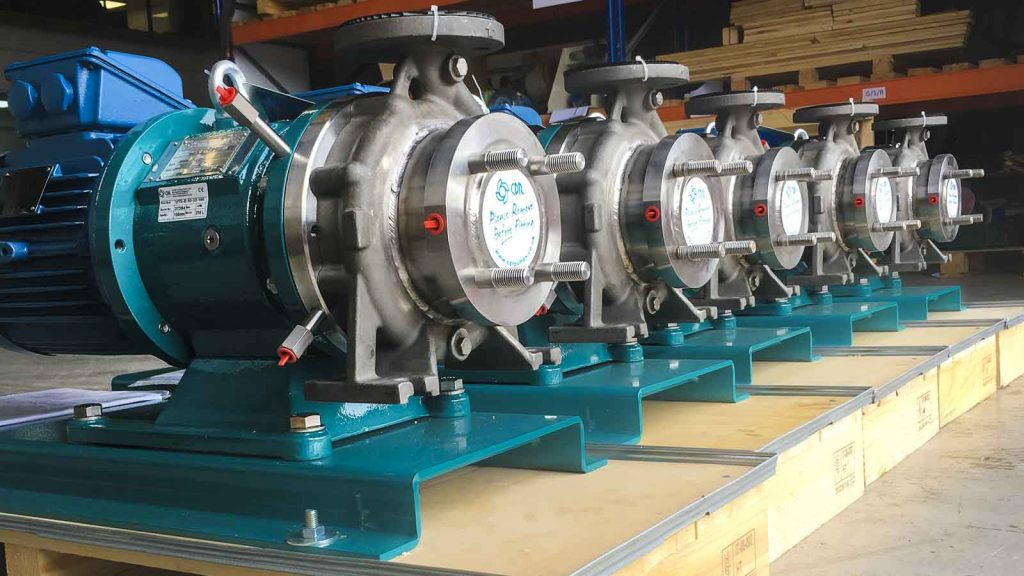
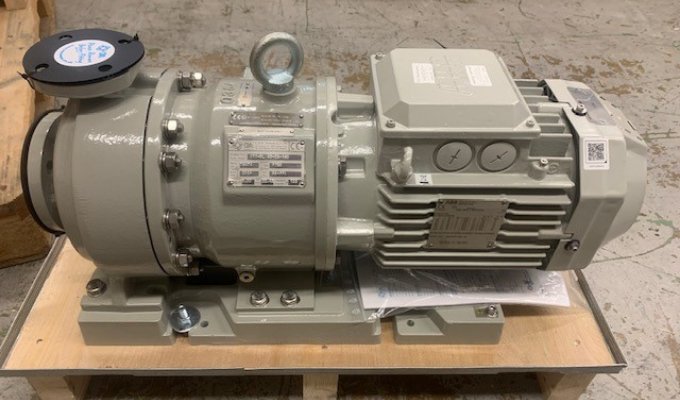
Our solution replaced the canned pumps with more efficient seal-less UTS-B magnetic drive pumps, manufactured in stainless steel to provide safe, reliable fluid containment with zero-vapour loss.
Upgrading to high-efficiency UTS-B mag drive pumps meant that the amount of power needed to drive the units could be significantly reduced, dropping from an 11 kW motor to a 5.5 kW motor while maintaining unloading performance. The result was lower energy consumption, reduced mechanical loading and longer pump life, with no increase in tanker unloading times.
Harnessing Existing Resources
To maintain product temperature, heating jackets were fitted to the pumps. These utilised the site’s existing steam supply to keep the phenol at the required transfer temperature, eliminating unnecessary pump running time.
Avoiding Continuous Pump Operation
One of the biggest contributors to energy consumption wasn’t the phenol transfer pumps themselves – it was how the pumps were being operated.
To prevent the phenol from solidifying at lower temperatures, four pumps operated continuously for 180 days each year (a total of 4,320 hours), to maintain temperature and keep lubrication ports clear. This operating method consumed approximately 190,000 kWh of electricity each year.
Following the pump upgrade, addition of heating jackets, and a wider review of on-site operating procedures, the UTS-B pumps could be safely switched off when not in use, and operated for fewer than five hours a day. This lowered energy consumption significantly, whilst also reducing component wear and lowering the risks associated with transferring hazardous liquids.
Reduced Energy Consumption and Emissions
Collectively, these efficiencies delivered substantial savings, reducing energy consumption by over 170,000 kWh per year and saving the manufacturer almost £30,000 in annual energy costs.
As an additional benefit, annual CO2 emissions were reduced by 90%, avoiding approximately 40 tonnes of CO2 each year.
Importantly, these savings were realised while maintaining safe, reliable hazardous chemical transfer.
Measurable Results
| Annual energy reduction: |
170,000+ kWh |
| Annual cost saving: |
Nearly £30,000 |
| CO₂ reduction: |
Approx. 40 tonnes/year |
| Motor size: |
11 kW → 5.5 kW |
| Pump operation: |
Continuous → Less than 5 hours/day |
Why Work With CDR Pumps (UK) Ltd
This project demonstrates that improving a pumping system isn’t always just about replacing equipment. By reviewing the entire process – from chemical process pump selection and motor sizing to operating conditions and procedures – substantial energy savings and reliability improvements can often be achieved.
At CDR Pumps (UK) Ltd, we work closely with our customers to improve efficiency, reduce operating costs and ensure every pumping system delivers safe, reliable performance. Beyond supplying the pump, we provide technical advice, assist with pump selection, and offer aftersales support to ensure the right pump solution for your application.
Contact our team on 01933 674777 or at sales@cdrpumps.co.uk
View our range of magnetic drive pumps>>