Limitations to Consider
While liquid ring vacuum pumps offer significant advantages, they may not be the ideal solution for every application.
Limited Ultimate Vacuum
Single-stage liquid ring vacuum pumps typically achieve vacuum levels down to approximately 30–33 mbar absolute – the biggest reason for premature failure is when this isn’t controlled and exceeded. Applications requiring deeper vacuum levels may require alternative technologies or multi-stage configurations.
Sealing Liquid Management
The supply, cooling, treatment, and disposal or recirculation of the sealing liquid must be considered during system design and operation. Historically, when water was a cheap commodity, ‘once through’ flush was common place. Today, rising water and effluent treatment costs make this approach expensive. However, modern ‘plug and play’ systems give options for partial or full recirculation, reducing service liquid and effluent costs.
Efficiency Considerations
Pump efficiency can be affected by increases in sealing liquid temperature and vapour pressure, which may reduce achievable vacuum levels and overall performance. Understanding these factors early in the selection process helps ensure the most appropriate vacuum solution is chosen.
Typical Applications for Liquid Ring Vacuum Pumps
Liquid ring vacuum pumps are widely used in processes where moisture, vapours, or fluctuating operating conditions are present. Common applications include:
- Chemical processing – distillation, evaporation, and solvent recovery
- Pharmaceutical manufacturing – drying, filtration, and deaeration processes
- Food and beverage production – vacuum processing and packaging, drying and evaporation operations
- Pulp and paper manufacturing – dewatering and sheet-forming processes
- Plastic extrusion – removing harmful vapours and eliminating gas bubbles
- Power generation – condenser evacuation and air extraction
- Wastewater treatment – vapour extraction and gas handling
- General industrial vacuum systems – where reliability and process tolerance are critical
In many of these applications, liquid ring vacuum technology is selected specifically because alternative pump types may experience reduced performance, increased maintenance, or premature failure.
Frequently Asked Question
Can Liquid Ring Vacuum Pumps Handle Dirty or Wet Gases?
Yes. One of the primary advantages of liquid ring vacuum pumps is their ability to handle wet gases, condensable vapours, and small quantities of liquid carryover without compromising reliability or performance. This makes them particularly suitable for challenging industrial processes where other vacuum technologies may be vulnerable to damage.
Selection and Operating Considerations
Effective pump selection requires a thorough understanding of both the process requirements and the operating environment.
To maximise performance and reliability, consider the following when selecting and operating a liquid ring vacuum pump:
- Monitor and maintain sealing liquid temperature, as warmer liquids reduce achievable vacuum levels
- Select materials of construction appropriate for the process media, particularly in corrosive applications
- Consider liquid recovery or recirculation systems to minimise water consumption and operating costs
- Avoid oversizing the pump, as correct sizing improves efficiency and system performance
- Ensure the pump doesn’t operate below maximum vacuum conditions
- Ensure adequate installation space for maintenance access and servicing
Pompetravaini Pumps from CDR Pumps (UK) Ltd
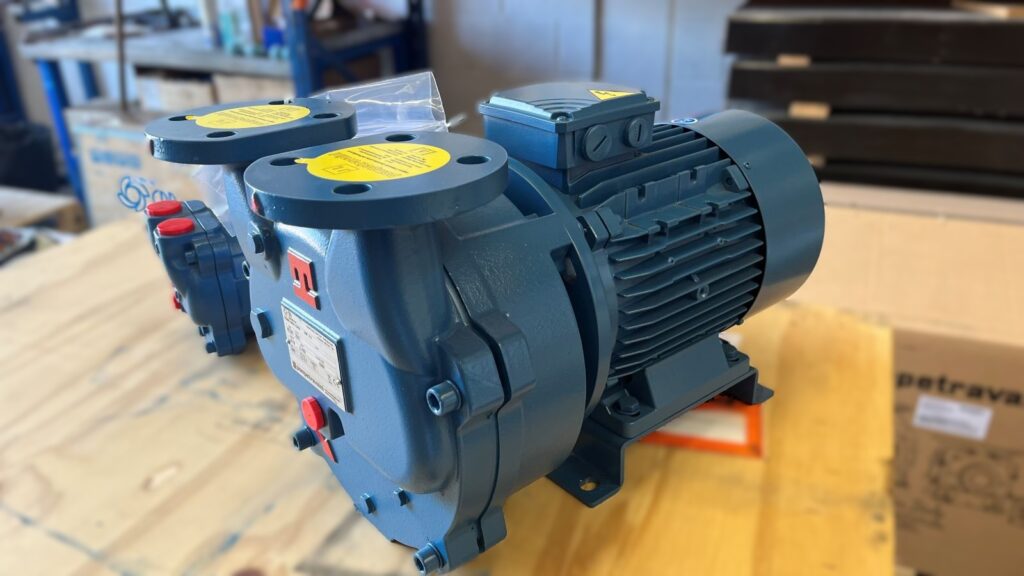
CDR Pumps (UK) Ltd works in partnership with Pompetravaini, a leading Italian manufacturer of liquid ring vacuum pumps, centrifugal pumps and side channel pumps. Established in 1929, Pompetravaini now manufactures more than 16,000 units per year.
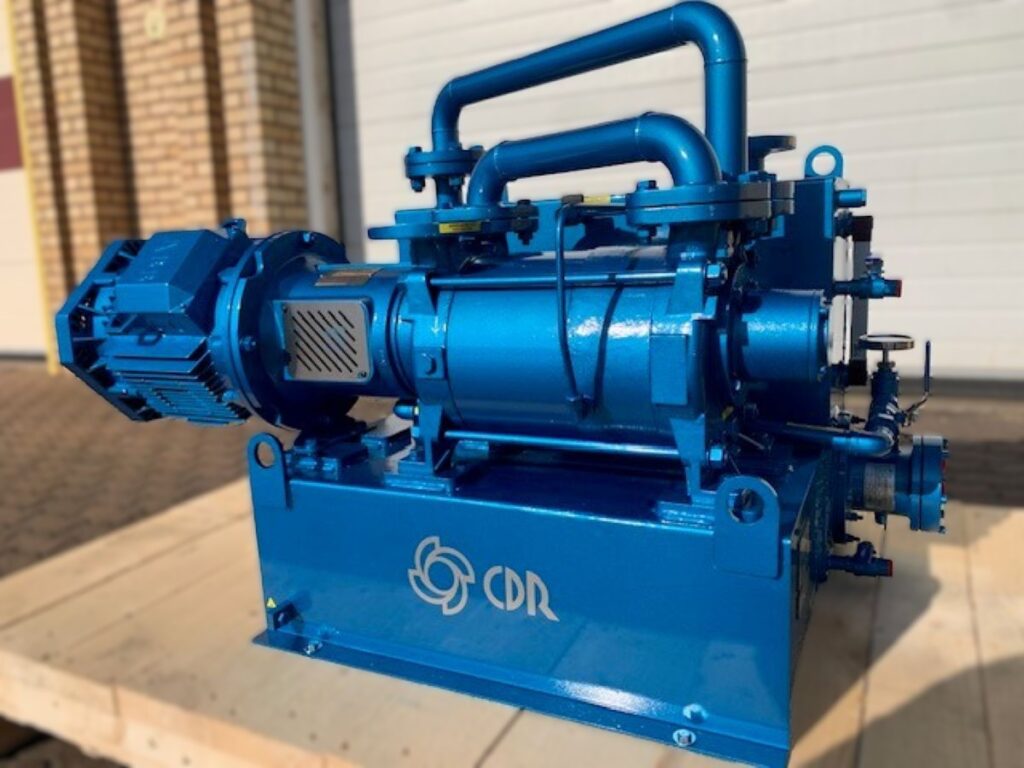
With flow rates of up to 30,000 m3/hr, vacuum pressures down to 33 mbar with the addition of own brand blowers, and the ability to incorporate vacuum pumps into full ‘plug and play’ vacuum systems, CDR Pumps (UK) Ltd can provide a Travaini liquid ring vacuum pump solution for most applications.