When a customer was experiencing repeated failures with metallic submersible pumps handling ferric chloride, material compatibility was an obvious place to start.
Ferric chloride is highly corrosive and can cause metallic pump components to suffer premature wear and reduced service life. Replacing the existing pumps with equipment manufactured from more suitable corrosion-resistant materials therefore made sense.
But identifying a technically suitable pump was only part of the challenge.
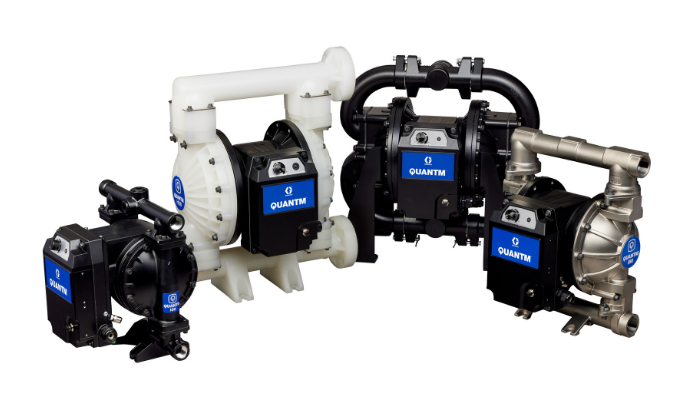
An air-operated diaphragm (AODD) pump initially appeared to be a suitable replacement, offering custom material options, a seal-less design and reliable handling of corrosive fluids.
However, the nearest compressed air supply was around 25 metres from the installation. Extending the airline would add cost and disruption to what might otherwise have been a relatively straightforward pump replacement.
The challenge therefore became not simply which pump could handle ferric chloride, but which pump could handle it reliably within the practical constraints of the installation.
Looking Beyond the Obvious Solution
Rather than recommending a solution that would increase installation costs, our engineers assessed alternative pump technologies that could deliver the required chemical resistance without relying on a compressed air supply.
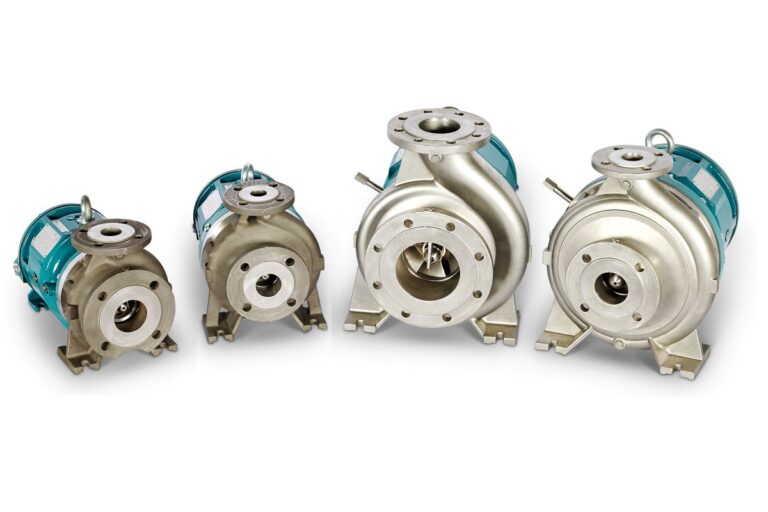
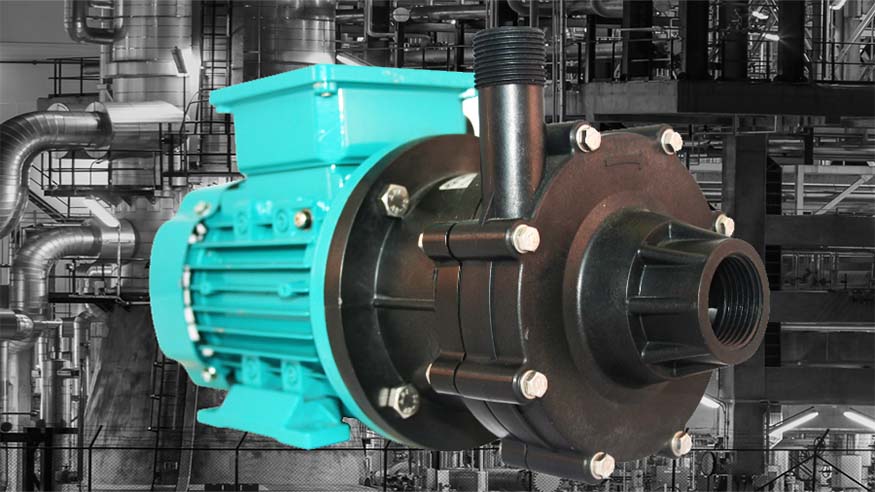
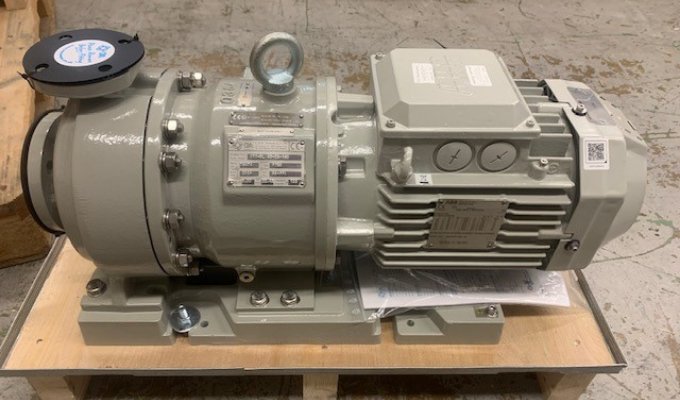
One approach was to consider a different pump technology altogether. A small STN magnetic drive pump could be customised with a rubber impeller and non-return valve, and manufactured in either polypropylene or PVDF. Its seal-less, corrosion-resistant construction addressed the material compatibility issues affecting the existing metallic pumps, with the potential to extend service life while eliminating the need to relocate the air supply.
Alternatively, an electric diaphragm (EODD) pump could combine many of the characteristics that made the AODD pump attractive in the first place, including seal-less operation and excellent chemical compatibility, but without the need for compressed air.
This not only simplified installation but also offered the potential for improved energy efficiency.
The Engineering Lesson
This application demonstrates why pump selection shouldn’t be based on chemical compatibility alone. An AODD pump may have appeared to be the obvious choice for handling ferric chloride, but the lack of a nearby compressed air supply significantly changed the practical and commercial requirements of the installation.
It also highlights the value of reassessing an application rather than automatically replacing an existing pump or relying on a solution that may have been specified in the past. Pump technologies develop, process requirements change and alternative solutions may now offer advantages that weren’t previously available.
By considering the fluid, pump materials, available utilities, installation requirements and long-term operating costs together, it’s possible to identify the most appropriate solution for the application as a whole.
Need Help Selecting the Right Pump?
If you’re replacing an existing pump or experiencing recurring reliability problems, talk to our engineering team about the options available for your application.
Contact the CDR Pumps team on 01933 674777 or sales@cdrpumps.co.uk