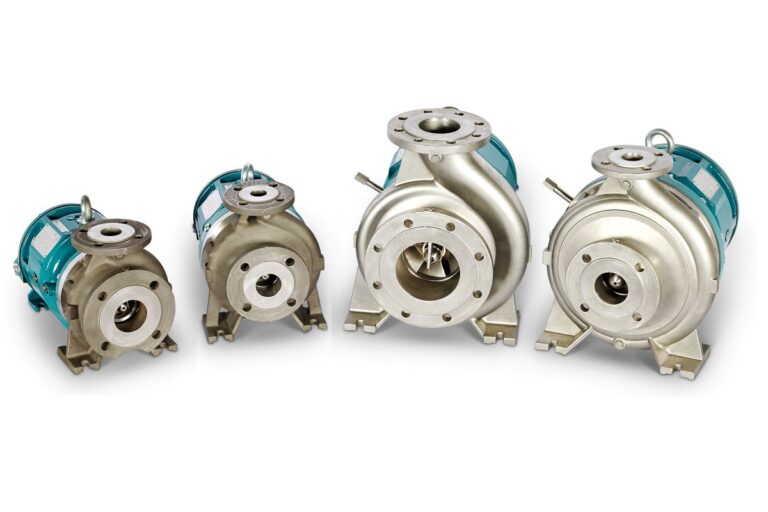
Magnetic Drive Pumps: A Complete Guide
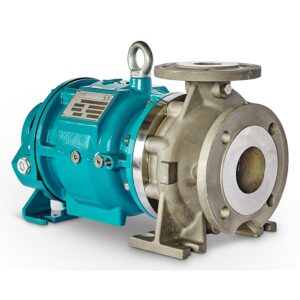
Magnetic drive pumps provide safe and reliable transfer of hazardous, corrosive and toxic fluids across industry.

Distillery pumps play a vital role throughout the production process, moving liquids safely and efficiently between different stages. From transferring mash and circulating high-temperature wort to handling the finished product, each stage can place different demands on the pump in terms of temperature, viscosity, flow rate, solids handling and product care.
A pump failure can quickly interrupt production and incur significant financial loss, while an incorrectly specified pump can lead to inefficient operation, increased maintenance requirements or problems with product quality.
Choosing the right pump for a distillery therefore means considering much more than flow rate alone. Fluid properties, temperature, viscosity, hygiene requirements, and potentially explosive atmospheres all need to be taken into account.
Different stages of alcohol and spirits production can place very different demands on pumping equipment. A pump suitable for transferring water or low-viscosity liquids, for example, may not be appropriate for handling viscous or solids-laden fluids.
No two distilleries operate in the same way, so batch sizes, production volumes, pipework and individual process requirements will also influence pump selection.
Some of the most commonly used pump technologies in distilleries include centrifugal pumps and diaphragm pumps.
Centrifugal pumps are well suited to transferring low-viscosity liquids at relatively high flow rates, making them a practical choice for applications such as water transfer and wort circulation.
They operate using a rotating impeller to transfer energy to the liquid, creating the flow and pressure required to move it through the system. Their relatively simple design can provide an efficient and cost-effective pumping solution for many distillery applications.
However, centrifugal pumps do have some limitations. Most standard centrifugal pumps are not self-priming and need to be primed before operation, so suction conditions need to be carefully considered. Their performance and efficiency can also decrease significantly as liquid viscosity increases, meaning they may not be the best choice for some higher-viscosity distillery processes.
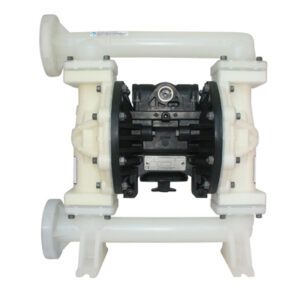
Air-operated diaphragm pumps (AODDs) are particularly well suited to distillery processes where self-priming capability, dry suction lift and the safe transfer of high-proof spirits are important considerations. Their ability to achieve dry suction lifts of over 3 metres can be useful when transferring liquids from drums, tanks or other vessels where flooded suction is not available.
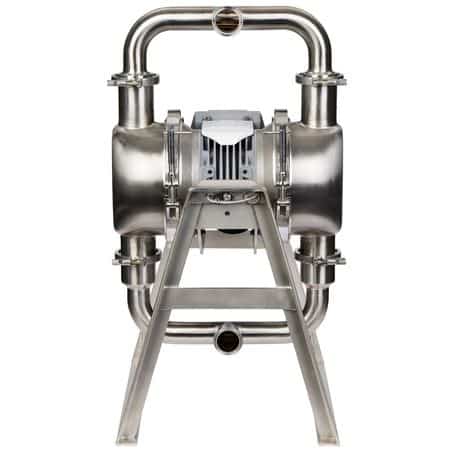
Electric diaphragm pumps (EODDs) can provide many of the same practical benefits while removing the need for a compressed-air supply. The QUANTM electric diaphragm pump uses an integrated electric drive and can reduce energy consumption by up to 80% compared with conventional air-operated diaphragm pumps. It also offers precise flow control, which can be particularly useful in distillery processes where controlled product transfer is required.
For applications involving high-proof alcohol, pumps may be installed in areas where potentially explosive atmospheres can occur. Appropriately specified AODD or EODD pumps can be ATEX certified for use in hazardous areas, while food-grade configurations can meet the hygiene requirements associated with handling ingredients and finished products.
Safety is a critical consideration when selecting pumps for alcohol and spirits production. Ethanol is highly flammable, and in the presence of oxygen and a potential ignition source, can create a significant fire risk. Distillery processes can therefore create potentially explosive atmospheres where appropriate controls are required.
Where pumping equipment is installed within a hazardous area, the pump (and motor, where used) must be appropriately specified for the relevant zone.
Under the Dangerous Substances and Explosive Atmospheres Regulations 2002 (DSEAR), UK businesses must assess the risks associated with dangerous substances and put appropriate measures in place to control or eliminate those risks. Elements to consider include:
For flammable gases and vapours, including ethanol vapour, hazardous areas are classified according to the likelihood and duration of an explosive atmosphere:
Separate classifications (Zones 20, 21 and 22) apply to combustible dusts, which may also need to be considered in some distillery environments.
Correct ATEX pump selection is therefore an important part of ensuring that pumping equipment is suitable for its operating environment and supports the safe handling of process fluids, including alcohol and spirits, throughout distillery production.
Choosing the right pump starts with understanding the operating conditions. Providing accurate information at the specification stage can help ensure the pump operates efficiently, reliably and safely.
The required flow rate can vary considerably between distillery processes. Depending on the application, required flow rates may range from tens of litres per minute for smaller transfer duties to significantly higher volumes for larger-scale circulation and transfer processes.
It is important to establish the actual flow required for the process. Factors to consider include:
Pressure requirements play an important role in maintaining safe and efficient distillery operations. Depending on the pump type and application, distillery pumps can operate across a wide range of heads, with maximum head capabilities ranging from approximately 16 to 480 metres.
Temperature management is vital throughout distillation processes, and not only because of the potential for explosive atmospheres. Pumps may need to handle temperatures ranging from ambient to 150°C, while viscosity can also vary considerably between different stages of production, from thin liquids to highly viscous fluids of up to 1,000,000 cP.
For vacuum distillation applications, precise pressure control is also important. Reducing pressure lowers the boiling point of ethanol, allowing distillation to take place at lower temperatures. This can reduce energy requirements while helping to preserve delicate aromatic compounds that could otherwise be affected by higher temperatures.
As a pump manufacturer, we’d prefer pump failures didn’t happen – but unfortunately, they can and do.
Problems can arise from a number of factors, including pump selection, changing process conditions or issues elsewhere within the pumping system.
Common causes of pump problems include:
Sugar compounds in alcoholic liquids can create additional challenges. For example, they can crystallise around mechanical seals, potentially contributing to seal problems and premature failure.
Pumps play an important role throughout distillery production, and selecting the right pump for each process can directly impact operational efficiency, product quality and safety. From handling different temperatures and viscosities to transferring high-proof spirits, pumps need to meet the specific demands of the application, with appropriate ATEX compliance where required.
At CDR Pumps (UK) Ltd, we can help you identify the right pumping solution for your distillery processes, helping to reduce downtime, maintain consistent product quality and support safe, reliable operation.
To discuss your application, contact us on 01933 674777 or at sales@cdrpumps.co.uk
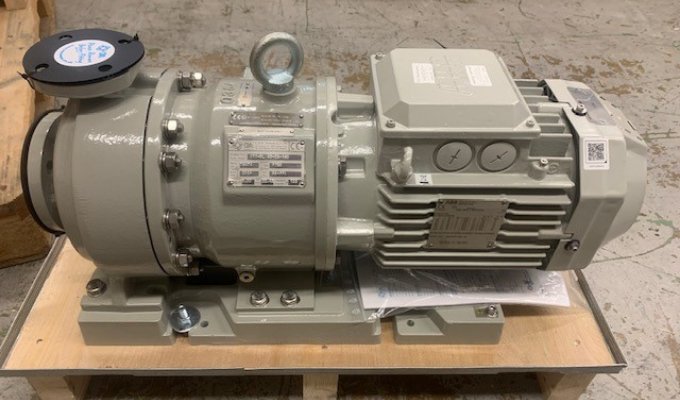
Magnetic drive pumps provide safe and reliable transfer of hazardous, corrosive and toxic fluids across industry.
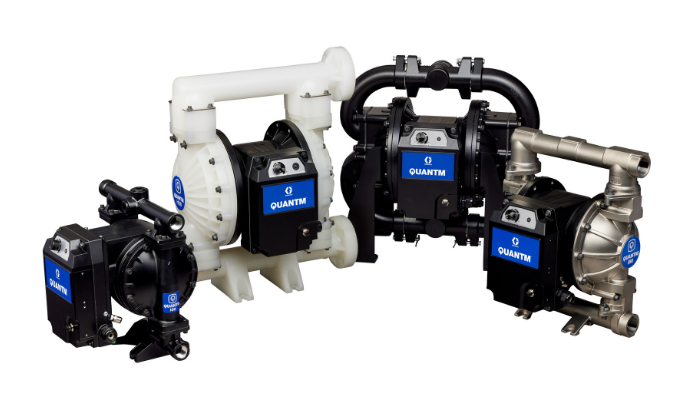
The QUANTM electric diaphragm (EODD) pump can help to make significant energy savings in surface finishing operations.
Read how we provided collaborative project support and complex, large-scale pumping solutions for a new precious metals refinery in the UK.
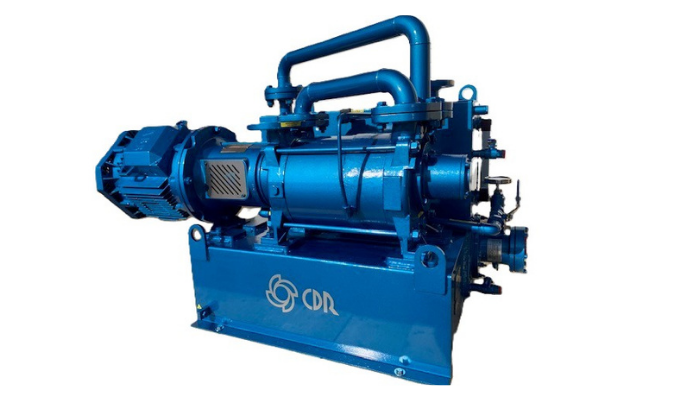
Liquid ring vacuum pumps and vacuum systems reduce energy, water and effluent costs, making them an efficient fluid-handling solution.