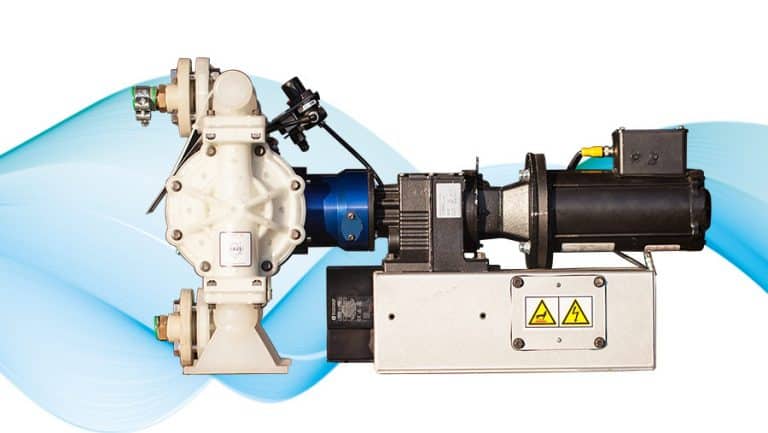
Unlocking Energy Savings in Surface Finishing Operations
How to improve energy efficiency in surface finishing operations with the QUANTM electric diaphragm (EODD) pump.

Moving thousands of litres of valuable spirits through various production stages each day, pumps are at the core of alcohol manufacturing and distilleries. A single pump failure can completely stop production, compromise product quality, and result in significant financial losses for UK distillery operations.
Choosing the right pumps for specific distillery processes is an important part of the process. From handling delicate mash transfers to managing high-temperature wort circulation to bottling, each stage needs specialised equipment that meets strict safety and hygiene standards. Three basic elements create fire risks in distilleries: high-proof alcohol as fuel, ambient oxygen, and potential ignition sources.
Making sure you choose right pump type for each distillery process impacts operational efficiency and product quality. Different stages of production, from mashing to bottling, may need different pump types depending on viscosity, temperatures, and flow rates. No two distilleries are the same so volumes and operational needs may dictate specific pump configurations.
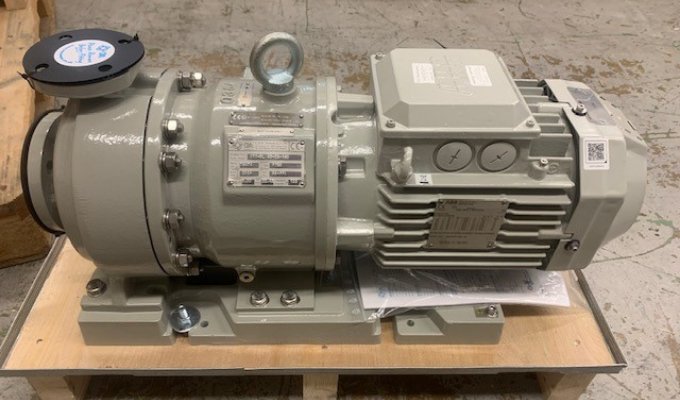
Centrifugal pumps
Centrifugal pumps are great at handling low-viscosity fluids and high flow rates, making them particularly effective for water transfer and wort recirculation. These pumps operate through rotating impellers that increase fluid velocity and pressure, offering a straightforward and cost-effective solution for many distillery applications.
However, centrifugal pumps face some limitations. They need pressurised fluid at the inlet and aren’t self-priming. Additionally, their efficiency decreases significantly when handling liquids with viscosities above 200 cP.
Air-operated diaphragm pumps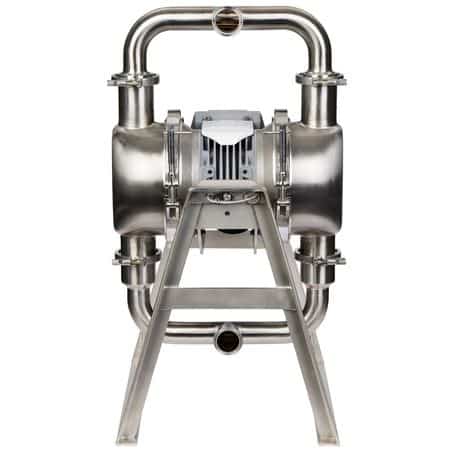
Air-operated diaphragm pumps have become much more popular in modern distilleries, particularly for transferring high-proof spirits. These pumps can achieve dry suction lifts of over 3 metres and operate safely in explosive environments, making them ideal for handling flammable spirits.
AODDs and their electronically operated counterparts can be ATEX certified and can adhere to food-grade certifications. Air-operated double diaphragm pumps run entirely on compressed air whilst. Quantm electric diaphragm pumps include a self-contained motor. Electric diaphragm pumps use 80% less energy and offer precise control capabilities making them a great choice where exact flow management is required.
Since distilleries handle highly flammable ethanol solutions, strict compliance with ATEX directives is mandatory. The distillation process creates potentially explosive atmospheres, primarily due to high concentrations of ethanol so pumps (and motors where used) must be certified for use in these hazardous zones.
ATEX zones in distilleries are classified into three categories based on risk levels:
The Dangerous Substances and Explosive Atmospheres Regulations 2002 govern UK distillery operations, requiring detailed risk documentation and covers elements such as:
Precise technical specifications are the foundation for choosing the right pumps for your distillery operations.
Flow rate requirements differ across distillery processes. Small-scale operations often need pumps handling 45 litres per minute, whereas larger facilities might need pumps capable of handling 11,000 litres per minute whereas efficient wort handling, pumps need to be able to maintain flow rates of between 200-1000 litres per hour. Flow rates will depend on:
Pressure matters. The pressure specifications play an important part in maintaining safe and efficient operations. Modern distillery pumps commonly operate with maximum head pressures ranging from 16 to 480 metres.
Temperature management is absolutely vital throughout the distillation processes, and not just because of the previously mentioned explosive requirements. Most alcohol pumps need to be able to handle temperatures ranging from ambient to 150°C. Your choice of pumps also needs to match viscosity requirements, which can range from thin liquids to highly viscous substances up to 1,000,000 cP at different stages of the manufacturing process placing importance on solid handling capability.
For vacuum distillation applications, pumps need to be able to maintain precise pressure control, as reducing pressure by 50% allows ethanol to boil at 63°C instead of the standard 78.4°C which not only conserves energy but also the delicate aromatic compounds that might otherwise break down at higher temperatures.
Effective vibration and noise control are an important element of workplace safety and equipment longevity. Some strategies we have found that help with noise reduction and increasing the life span of your fluid handling solutions include:
Electric pumps are significantly quieter, operating at approximately 74 dB compared to air-operated diaphragm pumps. This 25% reduction in sound pressure not only improves workplace communication but also enhances overall safety.
As a chemical pump manufacturer, we don’t like to talk about pump failures because we prefer they didn’t happen – but they can and they do. Pump failures often stem from specific operational challenges such as:
Sugar compounds in alcoholic liquids pose unique challenges, as they can crystallise around mechanical seals, leading to stress corrosion cracking.
Pumps are an important part of distillery operations. Proper pump selection, based on specific process requirements and technical specifications, has a direct impact on operational efficiency and product quality and ATEX compliance is non-negotiable.
At CDR Pumps (UK) Ltd, we can help you make smart pump choices which will ultimately benefit your distillery by reducing downtime, consistent product quality, and improving operational safety. If you would like to find out more, call us on 01933 674777 or send us an email
How to improve energy efficiency in surface finishing operations with the QUANTM electric diaphragm (EODD) pump.
Read how we provided collaborative project support and complex, large-scale pumping solutions for a new precious metals refinery in the UK.
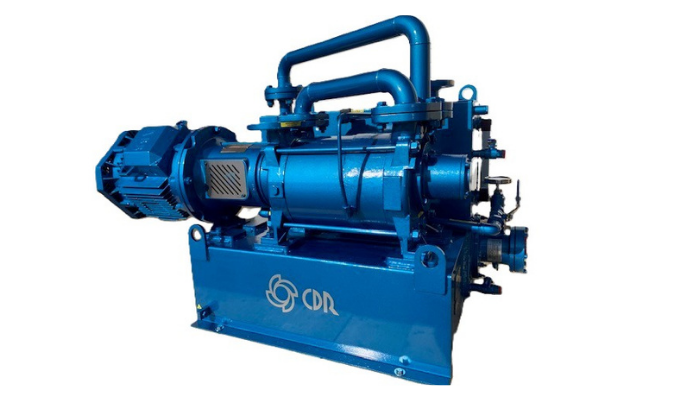
Liquid ring vacuum pumps and vacuum systems reduce energy, water and effluent costs, making them an efficient fluid-handling solution.
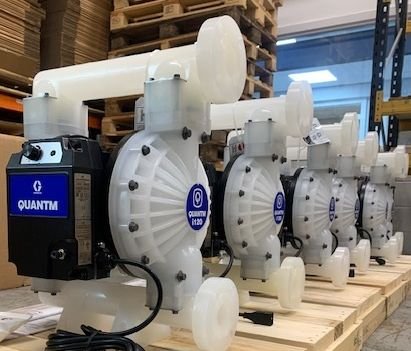
Switching from air-operated pumps to the QUANTM electric diaphragm (EODD) pump saved a national corrugator almost £1 million in annual energy costs.