Magnetic Drive Pumps: A Complete Guide
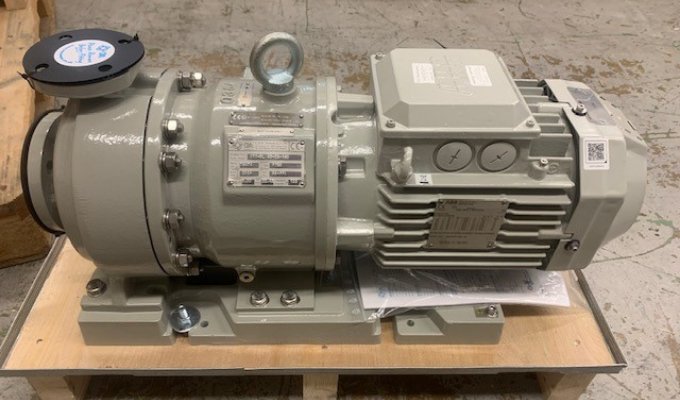
Magnetic drive pumps provide safe and reliable transfer of hazardous, corrosive and toxic fluids across industry.

When it comes to wood preservation, utilising the latest pump technology can truly unlock the hidden potential of your timber. Enhancing the strength and beauty of your wood is essential for ensuring its longevity and aesthetic appeal. Through innovative pumping systems, you can effectively treat and protect your timber against damaging elements such as rot, pests, and decay, extend the lifespan of your wood, enhance its structural integrity, and preserve its natural beauty.
Wood is a versatile and renewable material and preservation includes the process of treating wood to enhance its durability and resistance to these threats. By preserving wood, you can significantly extend its lifespan and reduce the need for frequent replacements, saving both time and money in the long run.
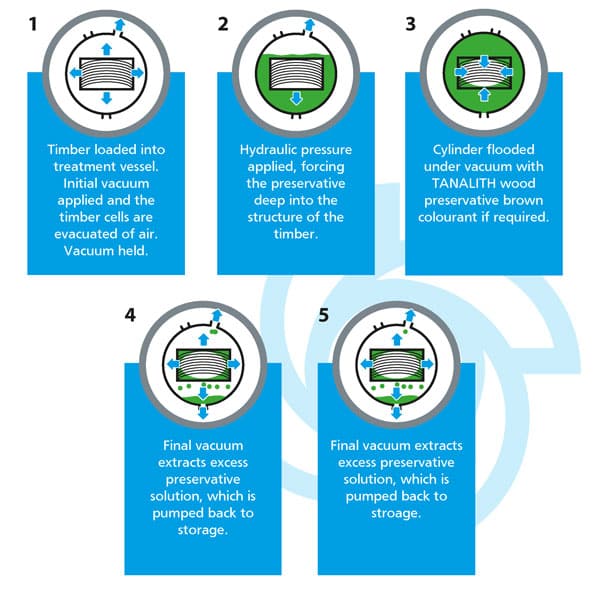
The application known as tanalising, pressure treatment or tanalisation, is a process in which wood is treated with a wood preservative called Tanalith E. The treatment involves placing the wood in a vacuum-sealed tank and applying pressure to force the preservative deep into the wood. This ensures that the chemicals absorb thoroughly into the wood, making it highly resistant to rot, mould, fungi, insects, and extreme weather conditions. Tanalised timber has a long lifespan and can last around 30 years without additional treatment and is safe for use around children and pets and is a durable and versatile wood option.
In the tanilising industry, there are two common methods: dipping and high-pressure treatment. Dipping provides limited durability, while high-pressure treatment offers better long-term results.
Using the high-pressure method, wood is loaded into a pressure container, and put under an initial vacuum by one of our liquid ring vacuum pumps, to make sure that wood cells are evacuated of air and then filled with a treatment chemical (such as Tanalith E). The vessel is then pressurised (by use of one of our vertical multi-stage centrifugal pumps) to ensure the chemical reaches deep within the grain of the wood.
Liquid Ring Vacuum pumps are particularly suitable for treating porous woods or materials with irregular shapes. The vacuum pressure ensures that the preservatives reach deep into the wood, eliminating air pockets and maximizing treatment effectiveness.
Utilising pumps means that a thorough process makes sure that the wood is properly treated and ready for its final destination by removing excess chemicals through a second vacuum stage and allowing the wood to dry to ensure that the timber is prepared for its intended use. We like to think that this attention to detail and commitment to quality sets CDR Pumps apart in the wood preservation industry.
Unlock the potential of pump technology in wood preservation and take your timber projects to new heights. By embracing innovative pumping systems, you can safeguard your wood against the damaging effects of rot, pests, and decay, enhancing its structural integrity and preserving its natural beauty for years to come.
Whether you’re seeking strength and durability or exceptional chemical resistance, our engineer’s are here to help you choose the ideal pump solution for your unique needs.
Magnetic drive pumps provide safe and reliable transfer of hazardous, corrosive and toxic fluids across industry.
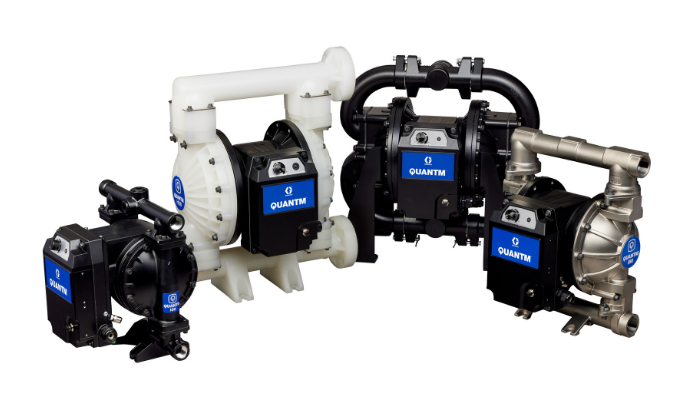
The QUANTM electric diaphragm (EODD) pump can help to make significant energy savings in surface finishing operations.
Read how we provided collaborative project support and complex, large-scale pumping solutions for a new precious metals refinery in the UK.
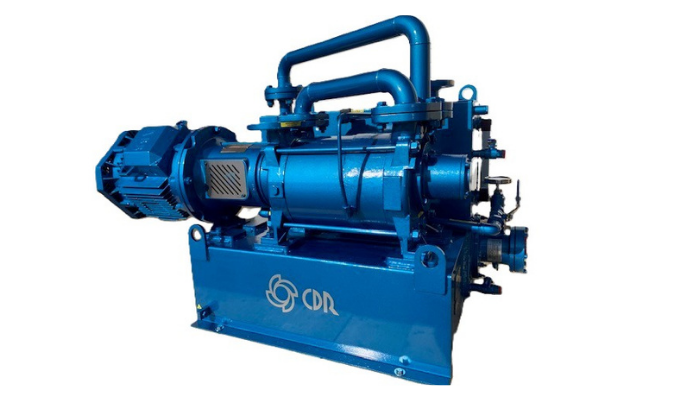
Liquid ring vacuum pumps and vacuum systems reduce energy, water and effluent costs, making them an efficient fluid-handling solution.