
Improve pump performance and extend service life with an engineered polymer concrete pump baseplate.
Keeping your rotating equipment level is essential. Polymer concrete baseplates outperform conventional steel in every way, providing an exceptionally flat and mechanically stable foundation to support optimum pump and motor alignment. They also provide significant vibration damping, greater thermal stability, and more resistance to twisting and diaphragming.
Manufactured from corrosion-resistant concrete material, our baseplates provide long-term protection against corrosive liquids and harsh operating conditions, removing the need for costly surface preparation and reducing maintenance requirements.
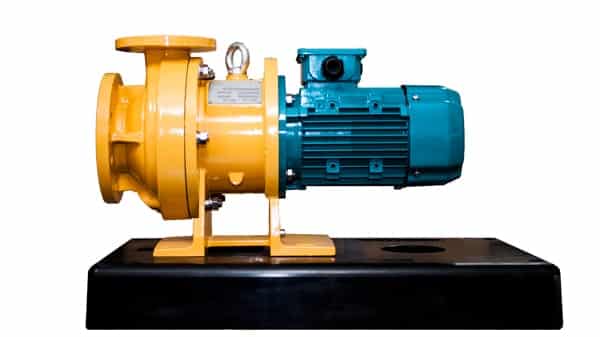
Optional Accessories:
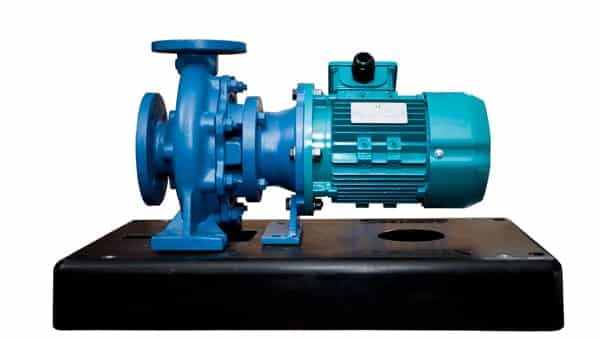
Polymer concrete offers several advantages over steel, including superior corrosion and chemical resistance, excellent vibration damping and greater thermal stability. It provides an exceptionally flat, mechanically stable construction that helps to ensure optimum alignment, improving equipment reliability and service life. It can also offer a lower overall cost compared with steel, particularly when long-term performance and maintenance are considered.
Polymer concrete is a blend of high-purity silicon dioxide ceramic quartz aggregate, high-strength epoxy resin and proprietary additives. This corrosion-resistant material is commonly used to manufacture machine bases and other structural components.